
 한국어
 English
 繁體中文
 Монгол хэл
Korea EVO ICL Recovery Period: When Should You Not Book the Flight Yet? Cost, Reviews and Methods
Many people manage everyday tasks within a few days of ICL, while the eye settles over weeks. A shallow front chamber, a low inner corneal cell count or a shifting prescription changes the whole plan.
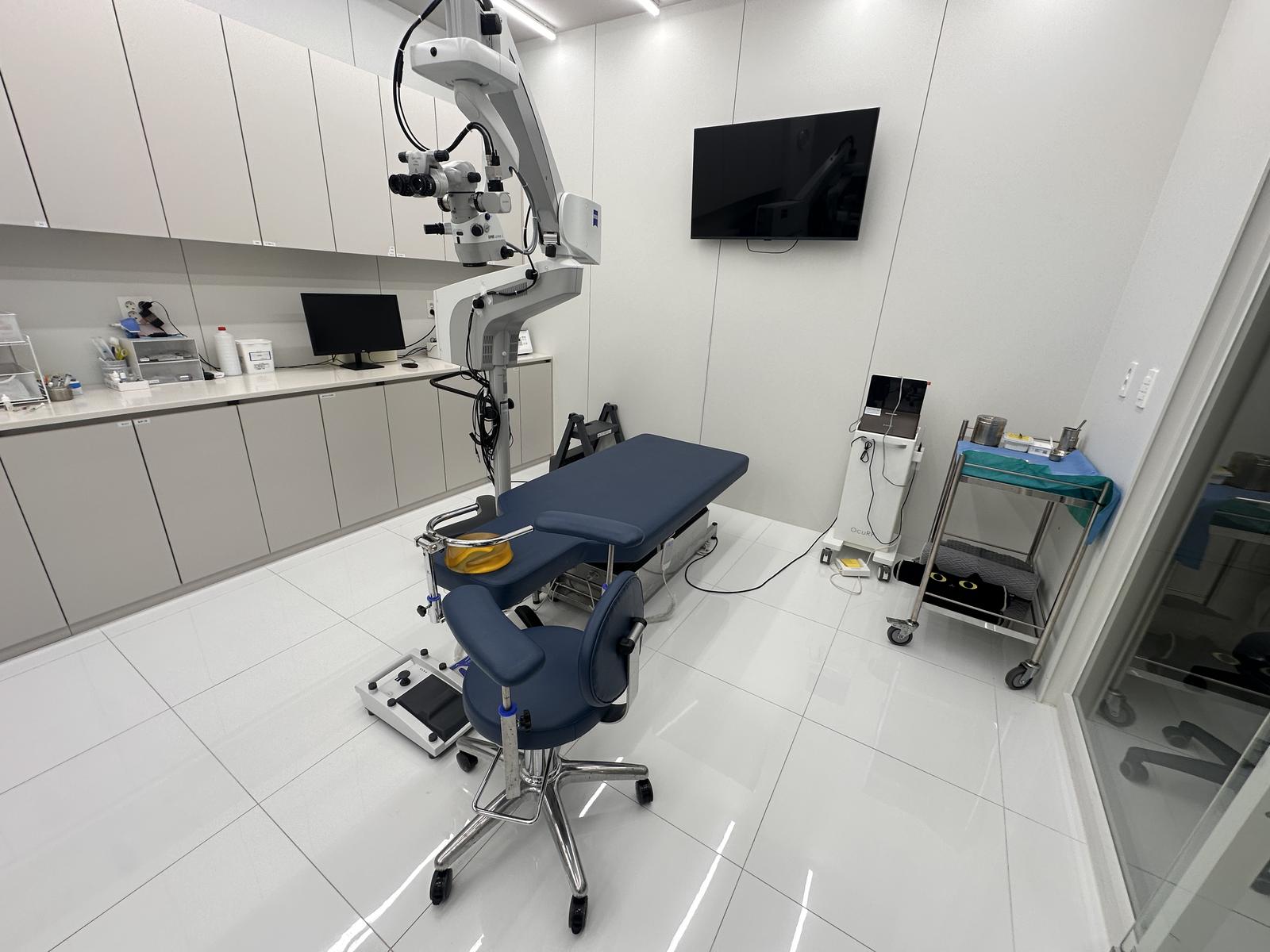
Worried the Korea EVO ICL recovery period won't fit your leave, or that your eyes shouldn't have this surgery at all?
Read this before you put in for time off.
You'll know who I would turn away, how the recovery stages run, what decides the cost, what reviews get right and which methods remain if ICL is out. That should tell you whether this trip fits your eyes and your budget.
Hello, I'm Dr. Lee Ki-il, Medical Director and ophthalmologist at OLIM Eye Clinic in Gangnam.
Exams, surgery, recovery and care all continue on floors 2–5 of one building. Our devices include the Pentacam for corneal shape and the TOPCON SP-1P for inner corneal cells, and I review and explain your results in person.
I wrote this because people told "no laser" at home often assume ICL is the automatic yes, and they plan their days before anyone has measured the space inside the eye.
Many people manage everyday tasks within a few days, while the eye settles over weeks. A shallow front chamber, a low inner corneal cell count or a shifting prescription changes that plan.
If a surgeon at home turned you down for laser, send a photo of that report on WhatsApp and ask one thing: which measurements on this page are still missing from it?
Your numbers decide itSend a photo of your prescription or eye exam report. The doctor reviews it.
Who shouldn't have EVO ICL at all?
Anyone whose measurements leave the lens too little room, and anyone whose eye is still changing or already diseased. ICL sits behind the iris and in front of your natural lens, so a space you can't see from outside settles the question.
Laser asks how much cornea you can spare. ICL asks whether the front of the eye has room for one more lens. These findings would make me say no, or not yet:
- A shallow front chamber. Too little space between the cornea and iris crowds the lens and raises concern about eye pressure and cell loss.
- A low inner corneal cell count. These endothelial cells keep the cornea clear, and they don't grow back.
- A prescription that moved over the past year. Correcting a moving target usually means correcting it twice.
- Glaucoma, uveitis, retinal disease or an early cataract. Each can be worsened by surgery, or can make the result hard to judge.
- Pregnancy or breastfeeding. The prescription can shift during this time.
- Mid-40s and beyond. ICL won't restore reading vision, and a cataract may be closer than you think, so a lens-based plan for that age deserves its own conversation.
The devices that speak to this list are the Pentacam (corneal topography, thickness and shape), the TOPCON SP-1P (inner corneal cells), the TOPCON CT-800 (eye pressure) and the OPTOS DAYTONA, which images the retina out to the periphery. With very high myopia, that peripheral retina matters to me as much as the lens plan.
How long is the Korea EVO ICL recovery period, stage by stage?
For many people, vision is clear enough for everyday tasks within a few days, screens are comfortable within about a week, and things settle over one to three months. These are general ranges for lenses placed behind the iris, and your surgeon sets your own schedule.
| Stage | What's usually happening | What it means for your plans |
|---|---|---|
| First hours | Blur, light sensitivity, a scratchy feeling; pressure can rise | Have someone take you back; no driving |
| Day after | Vision often much clearer; a common time for the first check | Stay close to the clinic |
| First week | Desk work returns for many; halos at night are common | Drops on schedule, no rubbing, no swimming |
| Weeks 2–4 | Dryness and night glare usually easing | Contact sports only once cleared |
| Months 1–3 | Vision steadies for many people | Exam at home, with your surgical report in hand |
One line on my own site needs a warning. "Exam and surgery in one day" describes 5th-generation SMILE, and I don't want it carried over to ICL.
Why leaving early is the part I worry about
Two things can change quietly in the early days: eye pressure and vault. Vault is the gap between the ICL and your natural lens. Too little raises concern about cataract, and too much can crowd the drainage angle and push pressure up.
Lens size is chosen from outside measurements, so the true vault only shows once the lens is in. A sharp morning tells you nothing about either number. On the rare occasions a lens needs repositioning or exchanging, that's easier to arrange while you're still nearby.
The flight itself is usually a smaller issue, since ICL surgery doesn't leave a gas bubble in the eye. What the flight removes is easy access to the surgeon. The CDC's medical tourism guidance advises arranging follow-up care at home before you leave and carrying copies of your records.
Say you're at minus 11 with ten days of leave
You have astigmatism, a laser refusal from home and contacts you can no longer tolerate. I would start with chamber depth and cell count, because if either fails, the rest of the itinerary doesn't matter. Those ten days could end with an exam and a sightseeing trip, and I would count that as a useful result.
If the numbers allow surgery, count backward from your flight. Ask about that before you choose a date. Hours and directions are on OLIM Eye Clinic's consultation and hours page.
Then line up an ophthalmologist at home before you leave. Bring them your lens model and size, your final vault and your pressure readings.
Risks and side effects to know
Common early effects are blur, light sensitivity, dryness and halos at night, which for many people ease over weeks. Recovery differs from one person to the next.
Less common and more serious problems include raised eye pressure, cataract, loss of inner corneal cells, retinal detachment, infection and vision loss. The FDA's risk summary for phakic lenses lists these and notes that further surgery may be needed. The American Academy of Ophthalmology's technology assessment of phakic lenses is worth reading if you want the longer view. Cell loss and cataract are the reasons long-term checks matter, even when you see well.
People in the groups listed earlier should hold off or skip it, along with anyone who has an active eye infection or poorly controlled diabetes.
Once you're home, sudden vision loss, a painful red eye, halos with nausea, flashes of light or a curtain across your view all call for same-day eye care. Go to the nearest ophthalmologist or emergency department, show them your surgical report and contact your surgeon afterward.
If you already have numbers from an outside exam, send them on WhatsApp along with any eye conditions you've been told about. Ask which of those conditions could change your recovery plan.
Your numbers decide itSend a photo of your prescription or eye exam report. The doctor reviews it.
What do reviews get right about ICL recovery?
Some of it. Posts saying "I could see the next morning" are often medically plausible, but they describe day one. Vault, pressure and long-term cell counts can't be felt.
"The halos never went away" deserves a fair hearing too. Night halos are a known effect, they fade for many people and persist for some. A large pupil in the dark is one of the things worth raising beforehand.
"It's reversible, so there's no risk" is the claim I would correct. The lens can usually be removed, but removal is another operation, and a cataract or lost corneal cells don't come back with it.
Which methods remain if ICL is ruled out?
In short, it turns on why ICL was ruled out. On our site, the lens we name is ECHO ICL, used for very high myopia, astigmatism and hyperopia. The EVO Visian ICL is a STAAR Surgical lens approved by the FDA for myopia in 2022.
We also offer laser options. Contoura LASEK on the Alcon Wavelight ex500 follows the shape of your cornea and focuses on preserving what remains. Laser removes tissue, though, so a thin or irregular cornea can make it the wrong trade, with dry eye and glare also possible. Our post on how your cornea decides between SMILE, LASIK and LASEK goes through that choice. Staying in glasses or contacts is also a legitimate answer, and we would choose together from your results.
What decides the cost of ICL in Korea?
Several things in your own case move the figure:
- Whether you need a lens that also corrects astigmatism
- One eye or both on the same trip
- The exams required before surgery
- How many days you stay in Seoul, including the gap for lens ordering
- Follow-up visits and drops, here and at home
To get the figure for your eyes, send a photo of your prescription on WhatsApp and ask what it would cost for your case.
Starting is small: one photo of your latest report is enough, and you can ask before booking anything. Message us on WhatsApp with that photo and one question, such as what would make you move your flight home later. When you come to Gangnam, I'll examine your eyes, explain the results in person and recommend only the surgery they need, which may be a different method from the one you searched.
Frequently asked questions
Can I fly home the day after ICL?
The flight itself is rarely the obstacle, because no gas bubble is left in the eye. The concern is leaving before your early pressure and lens-position checks, so ask your surgeon to agree on a departure date with you in advance.
Is ICL reversible?
The lens can usually be removed or exchanged, but that means another operation. Any cataract or inner corneal cell loss that has already happened doesn't reverse with it.
Does a lens for astigmatism change the recovery?
The stages are broadly similar. A toric lens has to sit at a set angle, so surgeons also check that it hasn't rotated, and that's one more reason to keep your early follow-up visits.
Can both eyes be done on the same trip?
Practice differs among surgeons. Some treat the eyes on the same day and others leave a gap, so ask how your surgeon would handle it and add any gap to your day count.
When can I go back to running or swimming?
Light activity often returns within days to about a week, while swimming and contact sports usually come later. Your surgeon should clear each one after checking your eye, since infection and impact are the concerns.
Sources
- Phakic Intraocular Lenses: What are the risks? · U.S. Food and Drug Administration
- Phakic Intraocular Lens Implantation for the Correction of Myopia (Ophthalmic Technology Assessment, 2009) · American Academy of Ophthalmology
- FDA approves STAAR Surgical's EVO Visian ICL for myopia (2022) · Optometry Times
- Medical Tourism · U.S. Centers for Disease Control and Prevention
Written with AI assistance from OLIM Eye Clinic Gangnam's published information and the medical sources listed below. This article is general medical information and does not replace a diagnosis. Whether and how to operate is decided after an in-person exam.