 한국어
 English
 繁體中文
 Монгол хэл
Korea Laser Eye Surgery Consultation Booking Appointment: How Many Days Should You Plan? Cost, Reviews, Methods and Recovery
Plan the trip backward from recovery: stop contact lenses 1–2 weeks before the exam, put the exam on a Monday, Thursday or Friday so the next day is a clinic day, and keep the first days after surgery free before you fly.
Is your Korea laser eye surgery consultation booking appointment going to leave enough days for recovery before you fly home?
Read this before you lock in the flights.
By the end you'll know what decides the cost, which review claims hold up, how the methods differ and how recovery runs day by day, so you can choose a trip length that fits your eyes and your budget.
Hello, I'm Dr. Lee Ki-il, Medical Director and ophthalmologist at OLIM Eye Clinic in Gangnam, Seoul.
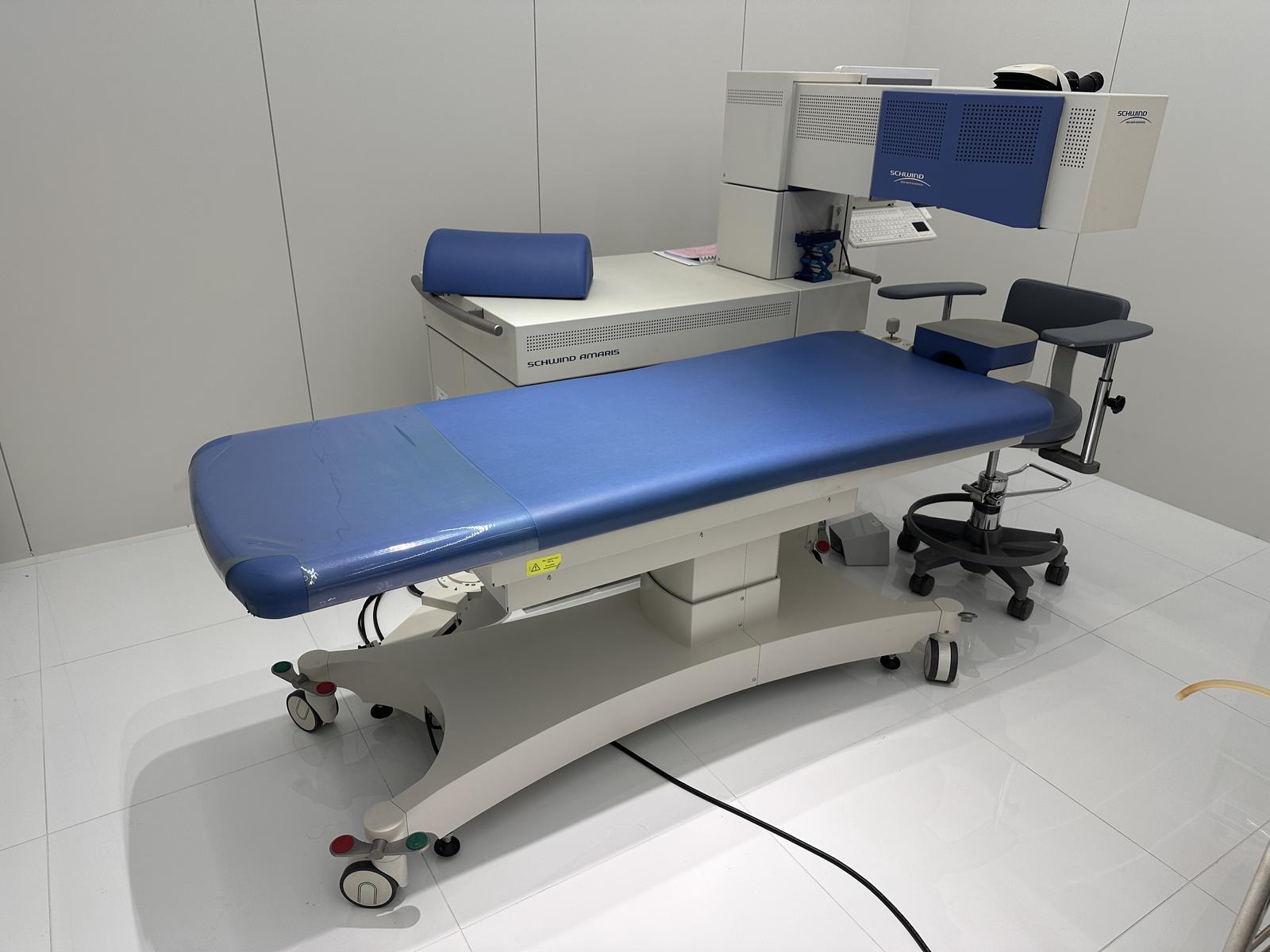
At OLIM, the detailed exam covers about 60 tests, 5th-generation SMILE on the SCHWIND ATOS can be done on the same day as the exam, and I review and explain your results in person.
I'm writing this because many people book the flight first and the exam second, and then find their calendar has less room than their eyes need.
Plan the trip backward from recovery. Stop contact lenses 1–2 weeks before the exam, put the exam on a Monday, Thursday or Friday so the next day is a clinic day, and keep the first few days after surgery free before you fly.
Your numbers decide itSend a photo of your prescription or eye exam report. The doctor reviews it.
What decides how many days you need in Seoul?
Three things set the length of the trip, and only two of them happen in Seoul.
The first starts at home. Soft contact lenses press lightly on the front of the cornea, and before vision correction we ask you to stop wearing them 1–2 weeks beforehand so the cornea can return to its natural state. Measurements taken on a cornea that has just come out of lenses can mislead the plan. That break begins before your flight, so if you rely on lenses at work, it costs you weeks at home rather than days in Korea.
The second is the exam. Whether surgery suits you at all, and which method, comes out of it. The exam includes corneal topography and thickness on the OCULUS Pentacam, which is how keratoconus and other irregular corneas are picked up before anyone talks about surgery. If your eyes are better suited to ongoing care than to surgery, I'll tell you so. I don't do surgery that isn't needed.
The third is recovery, and it runs into the clinic calendar. We're closed on Wednesdays and Sundays. That matters more than people expect, because laser surgery is usually followed by an early check: the US FDA's guidance for LASIK patients is a first follow-up visit within 24 to 48 hours.
Which weekday should your exam fall on?
Here is the week as it looks from the waiting room.
| Day | Clinic hours | Registration for exams and surgery closes |
|---|---|---|
| Mon · Tue · Thu | 10:00–19:00 | 17:00 |
| Fri | 10:00–19:30 | 17:30 |
| Sat | 09:00–15:00 | 13:00 |
| Wed · Sun | Closed | — |
The weekday lunch break is 13:00–14:00. Registration for exams and surgery closes two hours before closing, so a late-afternoon arrival leaves no room for a same-day SMILE. Allow plenty of time and aim for the morning.
Now look at the day after. A Tuesday surgery runs into a closed Wednesday, and a Saturday surgery runs into a closed Sunday. If your surgeon wants to see you the next day, that check slides. Monday, Thursday and Friday don't have this problem, since Tuesday, Friday and Saturday are all open.
The steps of a Korea laser eye surgery consultation booking appointment are short: a WhatsApp inquiry, scheduling a date, the detailed exam at the Eye Exam Center, then the consultation with the ophthalmologist where we decide together. If the exam points you toward LASEK or ICL instead of SMILE, ask on the day what the following days will look like for that method, because the timeline below is written for SMILE.
Recovery day by day after SMILE
SMILE corrects myopia and astigmatism through a 2mm incision, without a corneal flap. What follows is the general pattern for many people. How fast you settle varies from person to person.
Surgery day. You won't be able to drive afterward, so come with a companion or use public transport. Expect blur, watering and some light sensitivity for the rest of the day. Go back to the hotel, use the drops as instructed and keep your eyes closed more than open. This is not the evening for a night market.
Many people see well enough for ordinary things within a day or so of SMILE, though sharpness often keeps improving over the following weeks. Bring your drops and your questions.
Days 2 to 7. Use the drops on schedule, don't rub your eyes and keep tap water and soap out of them. The FDA's LASIK guidance also lists avoiding swimming, hot tubs and eye makeup for a period after surgery, and the same caution makes sense after SMILE. Gentle walks and cafés are fine for most people; long screen sessions will make your eyes feel dry sooner.
The flight home. Cabin air is dry. Keep lubricating drops in your carry-on, not your checked bag, and use them through the flight.
Weeks 2 to 12. Dryness and halos around lights at night can come and go. For many people they ease over weeks to a few months.
An example: ten days in Seoul at 46
Say you're 46, around minus 4 with mild astigmatism, visiting family in Seoul for ten days, and lately you've been holding your phone farther away to read it.
I'd have you stop your soft lenses 1–2 weeks before flying, so the cornea arrives settled. I'd put the exam on a Thursday morning. If the results suit SMILE and we agree on it, surgery can happen that same day, the early check falls on Friday and Saturday is still open if anything needs a second look. That leaves the second week for family and rest, with the flight at the end rather than in the middle.
The part I'd raise before any of that is your reading vision. At 46, distance correction will not stop presbyopia, so we'd talk through what you read, at what distance, and whether that changes the plan.
If you have a recent eye exam report from home, send a photo of it on WhatsApp along with how many days you have in Seoul, and ask whether that is enough for the method your numbers point toward.
Your numbers decide itSend a photo of your prescription or eye exam report. The doctor reviews it.
What do reviews get right about laser eye surgery in Korea?
Forum threads about Seoul eye surgery repeat a few claims. Some hold up and some need a correction.
"Exam and surgery in one day." True as a format: at OLIM, the exam and SMILE can happen on the same day. What threads skip is that the exam can also end in "a different method" or "not yet". Don't build a trip that only works if surgery happens on day one.
"You can fly the next day." Many people do fly soon after laser surgery. Whether it's sensible for you comes down to the early check being done and how your eye surface looks, so treat the next-day flight as something to confirm, not a plan.
"SMILE means no dry eye." Not accurate. Dryness in the first weeks is common after any laser vision correction, and a smaller incision doesn't remove it. If you already have dry eyes, the OCULUS Keratograph 5M measures tear break-up time and the lipid layer, and that result belongs in the plan.
"After laser, no more glasses." Laser correction treats the prescription you have now. Presbyopia comes from the eye's natural lens stiffening with age, as the American Academy of Ophthalmology explains, and laser surgery for distance does not prevent it.
SMILE, LASIK, LASEK or ICL: how the method gets chosen
The method decides part of the trip length, so it helps to know the options before you book.
- 5th-generation SMILE (SCHWIND ATOS). A 2mm incision, no corneal flap, real-time 7D eye tracking and low energy tailored to your cornea. This is the method the same-day format is built around.
- LASIK · LASEK. We do Contoura LASEK on the Alcon Wavelight ex500, where ablation follows the shape of your own cornea and preserves as much residual cornea as possible, which suits high myopia and astigmatism. LASEK removes the surface layer, and according to the AAO's EyeWiki on LASEK, that layer takes several days to heal, with more discomfort early on, so plan more days in Seoul.
- ICL. A lens placed inside the eye, an option when the cornea is too thin or the prescription too high for laser. The FDA lists risks for this lens type, including cataract and raised eye pressure, so it needs its own conversation.
I've written separately about how your cornea decides between SMILE, LASIK and LASEK. The short version: corneal thickness, shape and your work and lifestyle decide it, and we look at those results together before choosing.
What decides the cost for your eyes?
Cost follows the same things that decide the trip:
1. The method your exam points to: SMILE, LASIK, LASEK or ICL. 2. One eye or both, and how much correction each needs. 3. The detailed exam itself, with about 60 tests, including any extra testing if something like dry eye shows up. 4. Days in Seoul: a same-day SMILE trip and a LASEK trip with several days of surface healing are different hotel bills. 5.
Before you ask, you can look through the floors and the 23 devices on OLIM Eye Clinic's English homepage. Then ask on WhatsApp what it would cost for your case, with a photo of your prescription.
Risks and side effects to know
Common and usually temporary: dry, gritty eyes, glare and halos around lights at night, vision that fluctuates through the day and light sensitivity. For many people these ease over weeks to a few months; for some, dryness lasts longer and needs ongoing treatment.
Who should wait or skip laser correction, as general medicine: anyone whose prescription is still changing, people with a thin or irregular cornea such as keratoconus, pregnancy or breastfeeding, and some autoimmune conditions or medicines that affect healing. The FDA's page on when LASIK is not for you lists these, and they are the reason the exam comes before any talk of surgery.
If something feels wrong after you fly home, such as worsening pain, sudden blur, increasing redness or discharge, see a local ophthalmologist that day and bring your surgery records. The CDC's medical tourism guidance advises getting copies of your records before you leave and planning follow-up care at home, and I'd add one thing: arrange that local appointment before you travel, not after a problem appears.
What to send before you book flights
On WhatsApp, send a photo of the glasses you wear now, or the prescription written for them, and the one question that worries you most about the flight home. One photo is enough to start, and you can ask before booking anything. When you come in, I go through your results with you and recommend the method that fits your eyes, or tell you plainly if surgery isn't the right step.
Frequently asked questions
Can I fly home the day after SMILE?
Many people fly soon after laser surgery, but it's sensible only once the early check is done and your eye surface looks settled. Keep lubricating drops in your carry-on because cabin air is dry.
How long before the exam do I need to stop wearing contact lenses?
Stop wearing contact lenses 1–2 weeks before vision correction so your cornea can return to its natural state. That break starts at home, before your flight to Seoul.
Can I come only for the exam and decide about surgery later?
Yes. You can come just for a consultation on whether you need surgery. Your eyes are examined first, and surgery that isn't needed isn't performed.
Are the exam and surgery really on the same day?
For 5th-generation SMILE, exam and surgery can be done on the same day. Registration for exams and surgery closes two hours before closing, so arrive in the morning and keep in mind the exam may point to a different method.
Will laser eye surgery fix my reading vision in my mid-40s?
No. Laser correction treats your current prescription, while presbyopia comes from the natural lens stiffening with age. Talk through your reading needs before choosing a method.
Sources
- What should I expect during and after surgery? (LASIK) · U.S. Food and Drug Administration
- When is LASIK not for me? · U.S. Food and Drug Administration
- LASEK · American Academy of Ophthalmology (EyeWiki)
- What Is Presbyopia? · American Academy of Ophthalmology
- Medical Tourism · U.S. Centers for Disease Control and Prevention
- Phakic Intraocular Lenses: What are the risks? · U.S. Food and Drug Administration
Written with AI assistance from OLIM Eye Clinic Gangnam's published information and the medical sources listed below. This article is general medical information and does not replace a diagnosis. Whether and how to operate is decided after an in-person exam.