CONJUNCTIVOCHALASIS

If dryness won't go away,
check your conjunctiva

A condition in which the conjunctiva loosens, forming folds or covering the lower eyelid.

WHY OLIM

Dryness that artificial tears don’t fix
may be conjunctival folds

When loose conjunctiva bulges out along the lower eyelid, tears can’t spread evenly, causing ongoing dryness and a gritty feeling. If dry eye treatment hasn’t helped, have your conjunctiva checked.

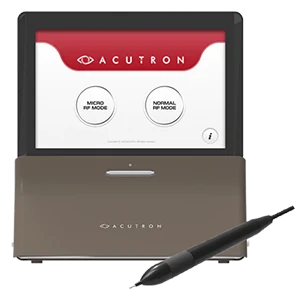
ACUTRONTreatment · RadiofrequencyACUTRON
POINT 01

No incision,
just radiofrequency

ACUTRON uses heat generated by radiofrequency current to coagulate loose conjunctival tissue. It is a simple procedure with no incision.

  • ACUTRON radiofrequency
  • No-incision procedure
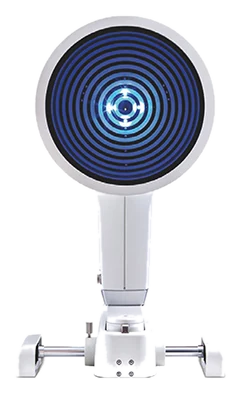
OCULUS Keratograph 5MDiagnostic · Dry eye testingOCULUS Keratograph 5M
POINT 02

Dry eye or conjunctiva?
We tell them apart first

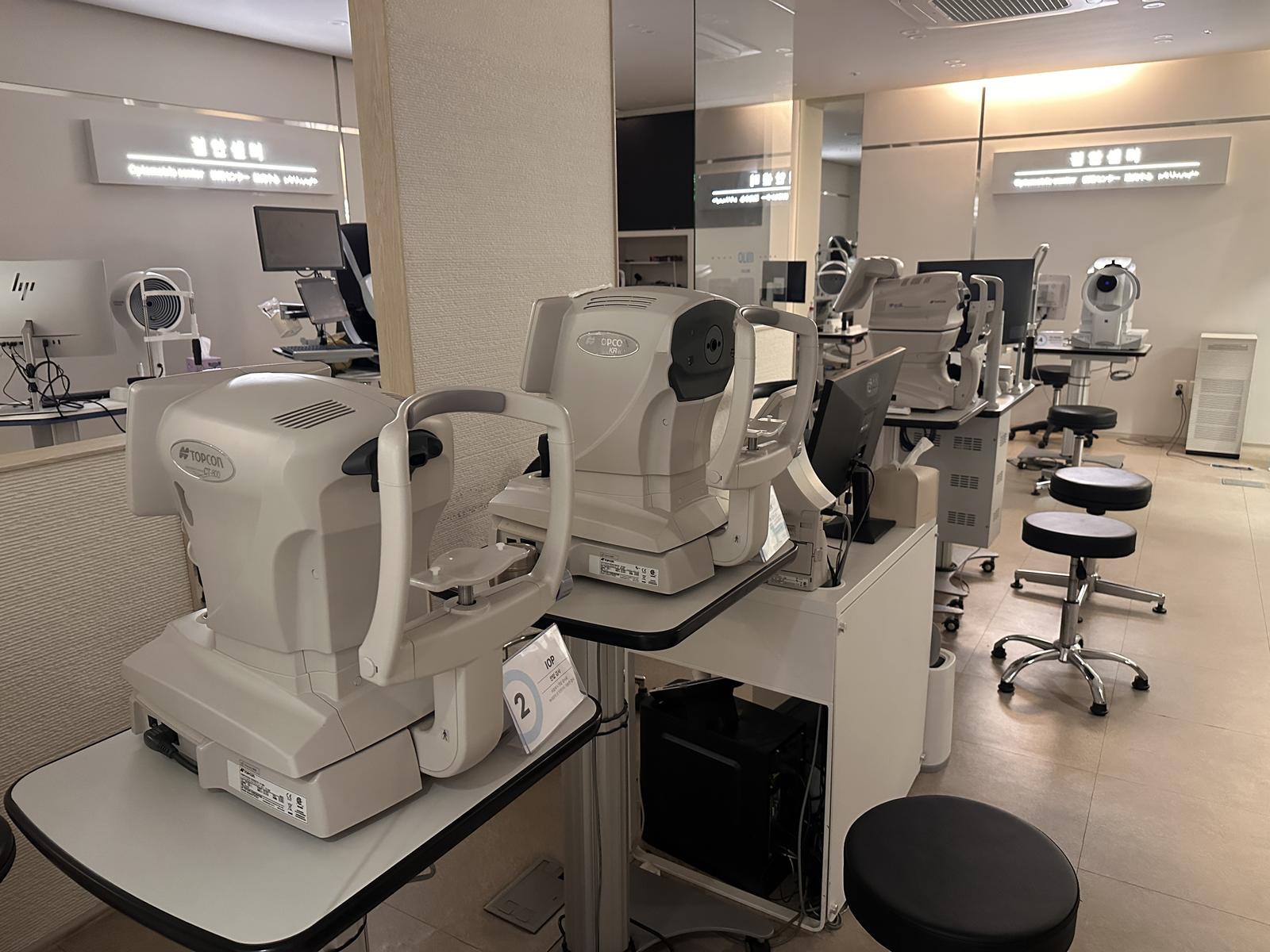
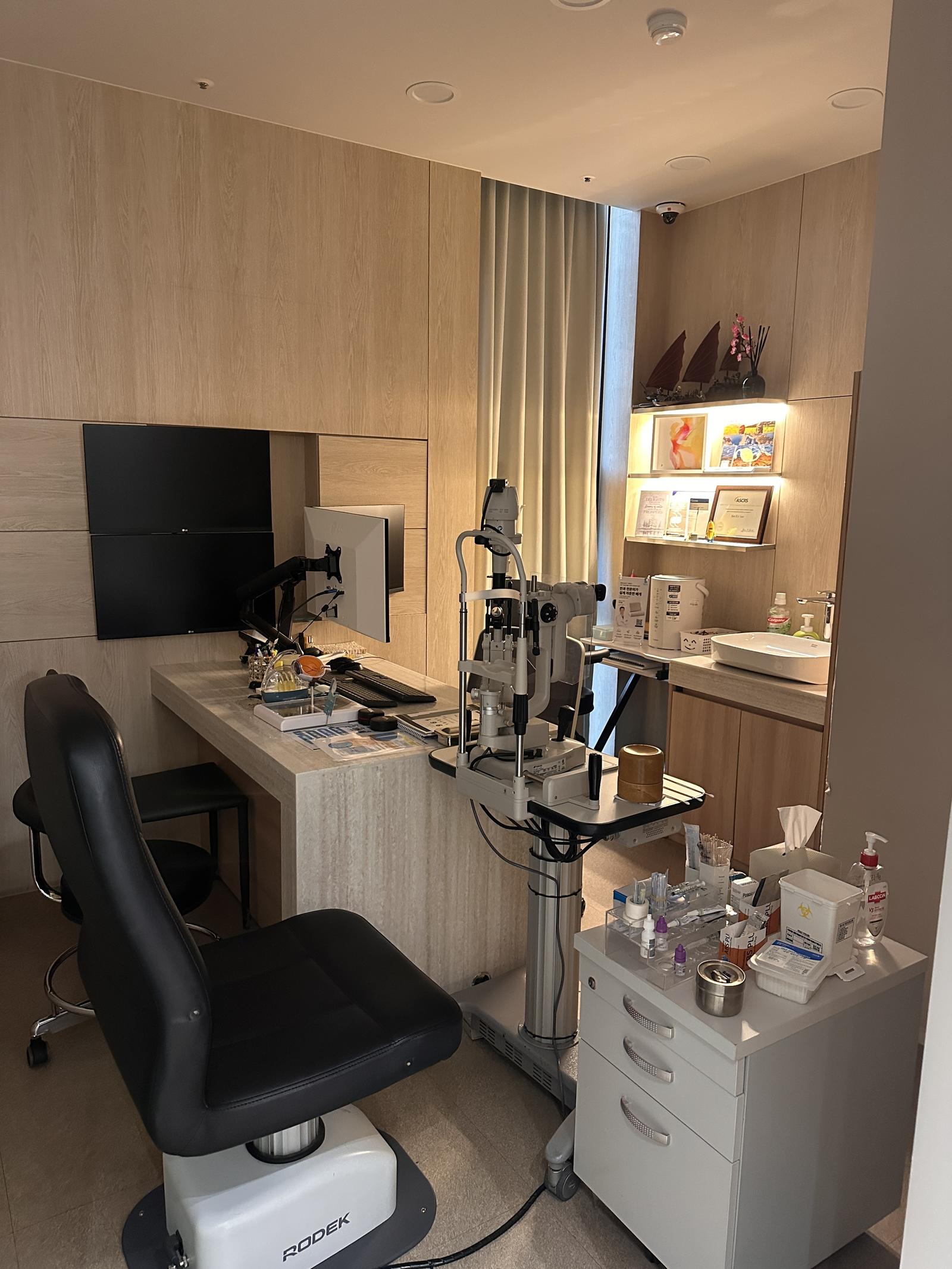
We use the OCULUS Keratograph 5M to check tear meniscus height and tear film breakup time, and a slit-lamp microscope to check the conjunctiva, to identify the cause.

  • Keratograph 5M
  • Slit-lamp microscope
POINT 03

The goal:
a stable tear film

The goal is to smooth out conjunctival folds so tears spread evenly again. It is managed alongside care at our dry eye clinic.

  • Tear film stabilization
  • Dry eye clinic
WHAT IS

Loose conjunctiva
disrupts the tear film

A condition in which the conjunctiva covering the eye loosens and wrinkles, or bulges out as if swollen between the lower eyelid and the eye, covering the lid.

CAUSE · SYMPTOM

Causes and symptoms

Causes
  • Aging
  • Frequent contact lens wear
  • Fine dust, pollen and allergies
  • A habit of rubbing your eyes
Symptoms
  • Ongoing eye fatigue and a gritty feeling
  • More tears and discharge than usual
  • Red, swollen conjunctiva
  • Blurry vision that comes and goes
  • Visible folds and covering around the eye
ACUTRON

Treated with radiofrequency, without incisions

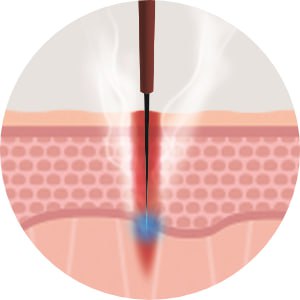
Radiofrequency current is delivered through an electrode, and the heat from contact resistance tightens the loose tissue.

ACUTRON
Treatment · RadiofrequencyACUTRON

A treatment device that coagulates tissue with heat generated by radiofrequency current.

Illustration of how a radiofrequency tip delivers heat to conjunctival tissue
HOW IT WORKS

Shrinking loose conjunctiva
with heat

When a fine radiofrequency tip touches the conjunctiva, contact resistance generates heat, which coagulates and shrinks the loose tissue.
In the past, loose conjunctiva was mainly cut away and stitched, but the radiofrequency method requires no incision or stitches.

About 5 minutesNo incision · no stitchesSingle-use tip
CAUSE

Why does the conjunctiva become loose?

The conjunctiva is a thin membrane covering the white of the eye and the inner eyelids. When it loses elasticity, it wrinkles and sags, disrupting the tear film.

CHECK

If artificial tears aren’t helping,
have your conjunctiva checked

Conjunctivochalasis has symptoms similar to dry eye, so some people assume it’s just dry eye. If the items below sound familiar, have your conjunctiva checked at your visit.

PROCESS

From consultation to procedure

  1. Consultation · history

    We check your symptoms, how long you’ve had them and your lens-wearing habits.

  2. Slit-lamp exam

    A microscope shows the location and extent of the conjunctival folds and the state of the tear film.

  3. Choosing treatment

    Together with the medical team, you decide whether dry eye treatment should come first or a conjunctival procedure is needed.

  4. Radiofrequency procedure

    Radiofrequency heat is delivered to the loose area. The procedure takes about 5 minutes.

  5. Follow-up

    You return on a set date to have your conjunctiva and tear film checked.

COMPARE

Incision vs. radiofrequency

Incision · stitchesRadiofrequency (ACUTRON)
MethodLoose conjunctiva is cut away and stitched.Radiofrequency heat shrinks the loose conjunctiva.
Incision · stitchesYesNo

The right method depends on your conjunctiva. Whether a procedure is needed, and which method suits you, is decided in consultation with the medical team after examination.

RAISE YOUR VIEW. FOR LIFE.

One building.
Your eyes, for life.

From a child’s first Dream Lens to vision correction, eye-area care and presbyopia surgery. An eye clinic you’ll have a reason to return to at every age.

  1. Growing yearsChildren and parents

    We help manage myopia in growing eyes.

  2. 20s–30sVision correction

    A first step toward seeing without glasses or contacts.

  3. 30s–40sEye area and eye comfort

    Care for eyes and eye areas worn out by screens.

  4. 50s and upPresbyopia and eye health

    Presbyopia and cataract, plus the optic nerve and retina.

FAQ

FAQ

For anything else, ask us on WhatsApp.

Are conjunctivochalasis and dry eye different conditions?

They are different conditions, but their symptoms are similar and they often occur together. Loose conjunctiva disrupts the tear film and causes dryness and a gritty feeling, so if dry eye treatment isn’t helping, it’s worth checking your conjunctiva.

How long does the radiofrequency procedure take?

The procedure itself takes about 5 minutes. Separate time is needed for consultation and exams.

Is there an incision?

The radiofrequency method does not cut or stitch the conjunctiva; it uses heat to shrink loose conjunctiva.

What causes the conjunctiva to become loose?

Aging is a common cause. Frequent contact lens wear, allergies to fine dust or pollen, frequent eye rubbing, and other eye conditions such as conjunctivitis also play a role.

If I have conjunctivochalasis, do I need the procedure?

No. It depends on how severe your symptoms are and the state of your conjunctiva. Whether a procedure is needed and suitable is decided after examination, through a thorough consultation with the medical team.


Wondering which option suits your eyes?

Our director reviews your results and explains them in person.