ICL · ECHO LENS

Vision correction
without reshaping the cornea

ICL (implantable lens) corrects vision by placing a lens inside the eye.

WHY OLIM ICL

Even if your cornea can't be reshaped,
there's an option

If you've been told laser surgery is difficult because your cornea is thin or your myopia is severe, ask about ICL, which places a lens inside the eye without reshaping the cornea.

POINT 01

Your cornea
stays intact

ICL corrects vision by placing a lens behind the iris without removing corneal tissue. It can correct extreme myopia, astigmatism and hyperopia in one procedure.

  • No corneal tissue removed
  • Posterior chamber lens
  • Myopia · astigmatism · hyperopia
POINT 02

ECHO lens,
7 holes

The lens's 7 holes support the flow of fluid inside the eye, and its thin center and conical aspheric design keep light loss below 10%.

  • ECHO ICL
  • 7 holes
  • Light loss below 10%
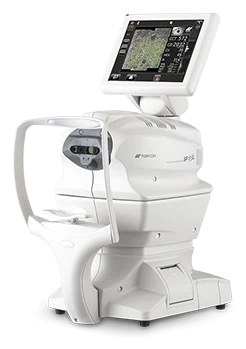
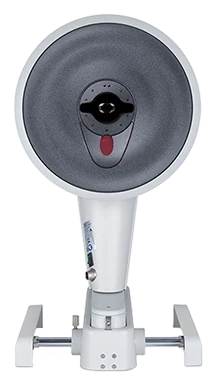
TOPCON SP-1PDiagnostic · Corneal endotheliumTOPCON SP-1P
POINT 03

We measure where the lens goes
first

With the TOPCON SP-1P, which images corneal endothelial cells at high magnification, and the Pentacam, which analyzes the front of the eye, we check the space for the lens and the condition of the cornea.

  • TOPCON SP-1P
  • Pentacam
  • Corneal endothelial cell test

Every patient gets a one-on-one treatment plan,
and after the exam, we recommend only the surgery you need.

OLIM Eye Clinic Gangnam’s principle of care
ICL

A custom lens with
fewer limits on correction range

ICL corrects vision by placing a lens inside the eye. Because the cornea is not reshaped, people with thin corneas or high myopia who are not suited to laser can also consult us.

ECHO ICL

How the ECHO lens is designed

A posterior chamber lens placed behind the iris. A wide optic that accounts for the flow of aqueous humor, a thin profile and a conical aspheric design keep light loss under 10%.

PROCESS

How the surgery works

  1. Small incision

    A small incision of about 3mm is made at the edge of the cornea.

  2. Lens insertion

    The ECHO lens is inserted through the incision.

  3. Positioning

    The lens is positioned behind the iris.

ICL guide image
WHO

ICL:
who it's for

ICL places a lens inside the eye without reshaping the cornea. That's why it's considered by people whose corneas aren't thick enough, or whose high or extreme myopia makes other vision correction difficult.

Thin corneaHigh · extreme myopiaAstigmatism · hyperopia
EXAM

We start by measuring
where the lens will go

Even with the same prescription, the space inside the eye differs from person to person. So we check the inside of the eye before choosing the lens type and size. If you wear contact lenses, you may need to stop before the exam—please check when booking.

Pentacam
Diagnostic · Anterior segment 3D imagingPentacam

Analyzes corneal topography, thickness and shape to detect abnormal corneas such as keratoconus before surgery.

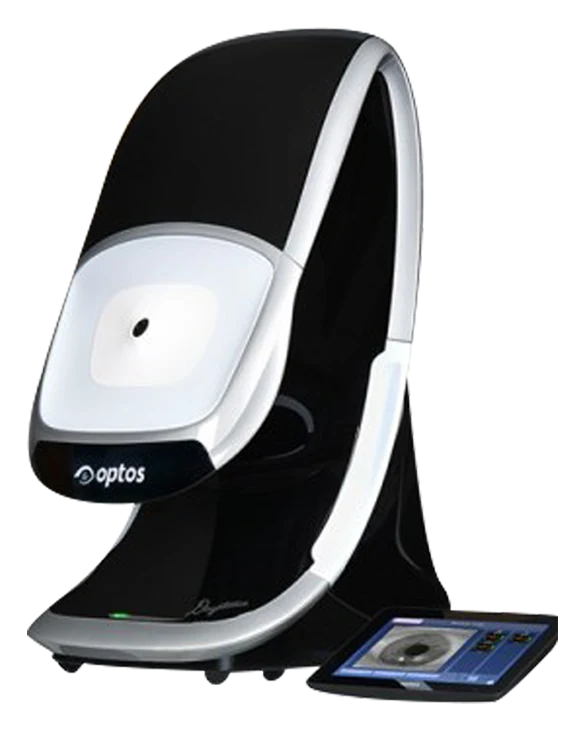
OPTOS DAYTONA
Diagnostic · Wide-field retinal imagingOPTOS DAYTONA

Captures 200° wide-field images out to the peripheral retina without dilating drops, for early detection of macular degeneration, diabetic retinopathy and retinal detachment.

TOPCON SP-1P
Diagnostic · Corneal endotheliumTOPCON SP-1P

Photographs the inner corneal cells at high magnification to check for signs of trauma, corneal edema and corneal dystrophy.

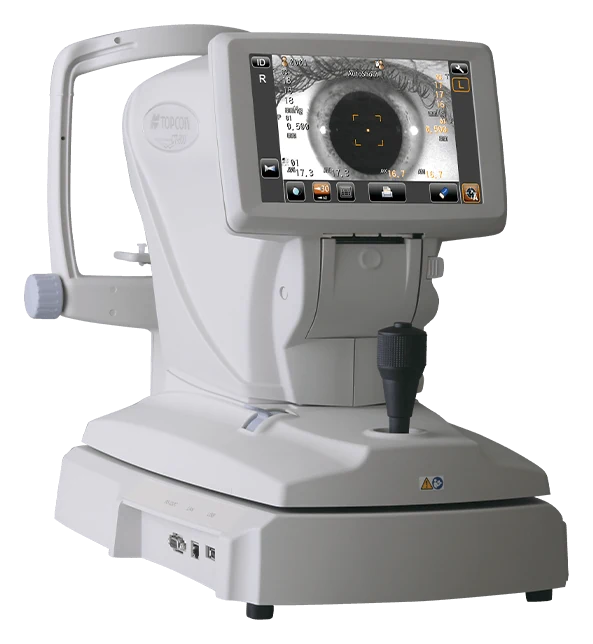
TOPCON CT-800
Diagnostic · Non-contact tonometerTOPCON CT-800

Measures eye pressure without touching the eye. Used for early glaucoma diagnosis and follow-up.

RECOVERY

How recovery goes
from the day after surgery

Based on the US FDA's patient information for phakic intraocular lenses (ICL). You'll receive your own schedule at your visit.

  1. Day of surgery

    Eye drops or ointment are applied and an eye shield is placed. You may be sensitive to light or feel as if something is in your eye.

  2. Next day

    We check your progress and explain how to use your eye drops. Drops that reduce inflammation and infection are used for a few weeks.

  3. First few days

    Vision may be hazy or blurry. Don't rub your eyes, especially for the first 3–5 days.

  4. 2–4 weeks

    Vision may fluctuate and usually stabilizes around this time.

  5. About 8 weeks

    This is when the eye heals. Keep water out of your eyes until you're told otherwise, and avoid bending over to pick things up, lifting heavy objects and strenuous exercise.

  6. After that

    Regular check-ups monitor the lens and your corneal endothelial cell count. Protect your eyes from UV when outdoors, and rest them after long screen time.

RISK

Possible complications
you should know

Placing a lens inside the eye carries risks. Below is what the US FDA tells ICL patients.

ASK FIRST

Talk to us first
in these cases

RAISE YOUR VIEW. FOR LIFE.

One building.
Your eyes, for life.

From a child’s first Dream Lens to vision correction, eye-area care and presbyopia surgery. An eye clinic you’ll have a reason to return to at every age.

  1. Growing yearsChildren and parents

    We help manage myopia in growing eyes.

  2. 20s–30sVision correction

    A first step toward seeing without glasses or contacts.

  3. 30s–40sEye area and eye comfort

    Care for eyes and eye areas worn out by screens.

  4. 50s and upPresbyopia and eye health

    Presbyopia and cataract, plus the optic nerve and retina.

FAQ

FAQ

For anything else, ask us on WhatsApp.

Does ICL reshape the cornea?

No. A small incision of about 3mm is made at the edge of the cornea, and the ECHO lens is placed to sit behind the iris. No corneal tissue is removed.

I was told LASIK or LASEK is difficult for me. Could ICL work?

People whose corneas are thin or whose myopia is severe enough to rule out laser can also consult us. But whether it's possible depends on checking the space for the lens (anterior chamber depth), corneal endothelial cell count, eye pressure and retinal health.

Can it correct astigmatism or hyperopia too?

ECHO ICL is designed to correct extreme myopia, astigmatism and hyperopia in one procedure. The actual correction range is determined by your exam results.

What do the holes in the ECHO lens do?

The 7 holes in the lens help fluid inside the eye flow smoothly. Its thinner center also reduces glare.

Why are check-ups after surgery important?

Because there's a lens inside your eye, the lens, eye pressure and corneal endothelial cell count need ongoing monitoring. If you notice flashes, floaters or a blocked part of your vision, say that you've had ICL and get seen right away.

Can the lens be removed later?

If needed, surgery can reposition, replace or remove the lens. If you later have cataract surgery, the lens is removed at the same time. Each additional surgery carries its own risks (US FDA).


Wondering which option suits your eyes?

Our director reviews your results and explains them in person.