5TH GEN SMILE · SCHWIND ATOS

Less corneal nerve damage,
more surgical precision

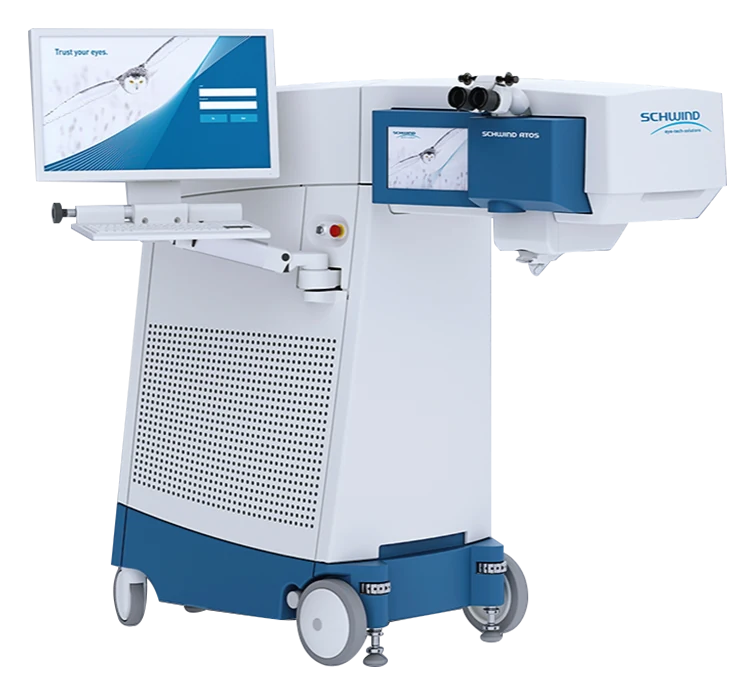
5th-generation SMILE, performed with SCHWIND ATOS from Germany.

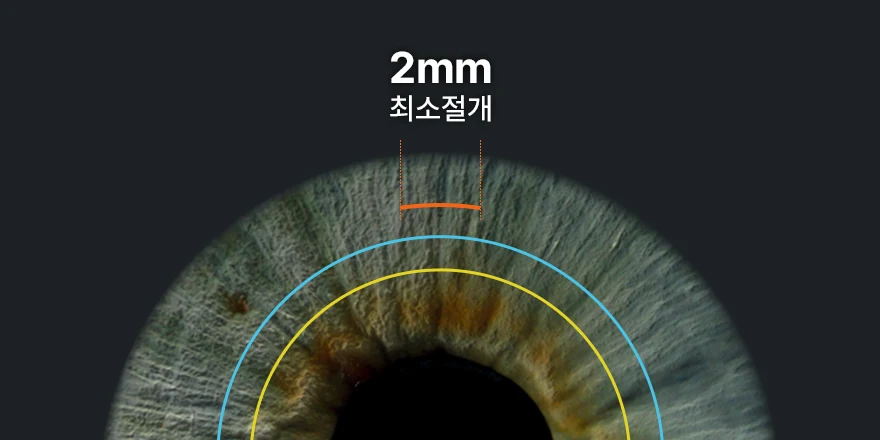
  • 2mmMinimal incision
  • 4MHzMax. pulse repetition rate
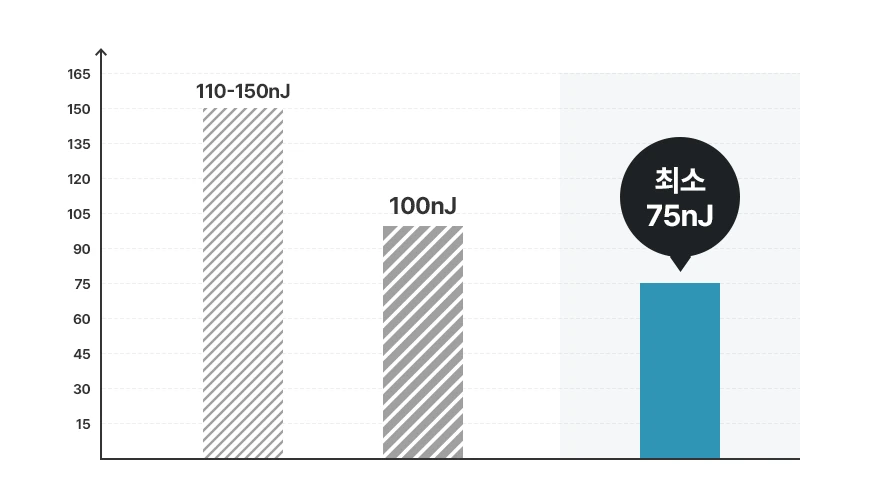
  • 75nJMin. pulse energy
  • 7Deye tracking
WHY OLIM SMILE

5th-generation SMILE:
different equipment, different process

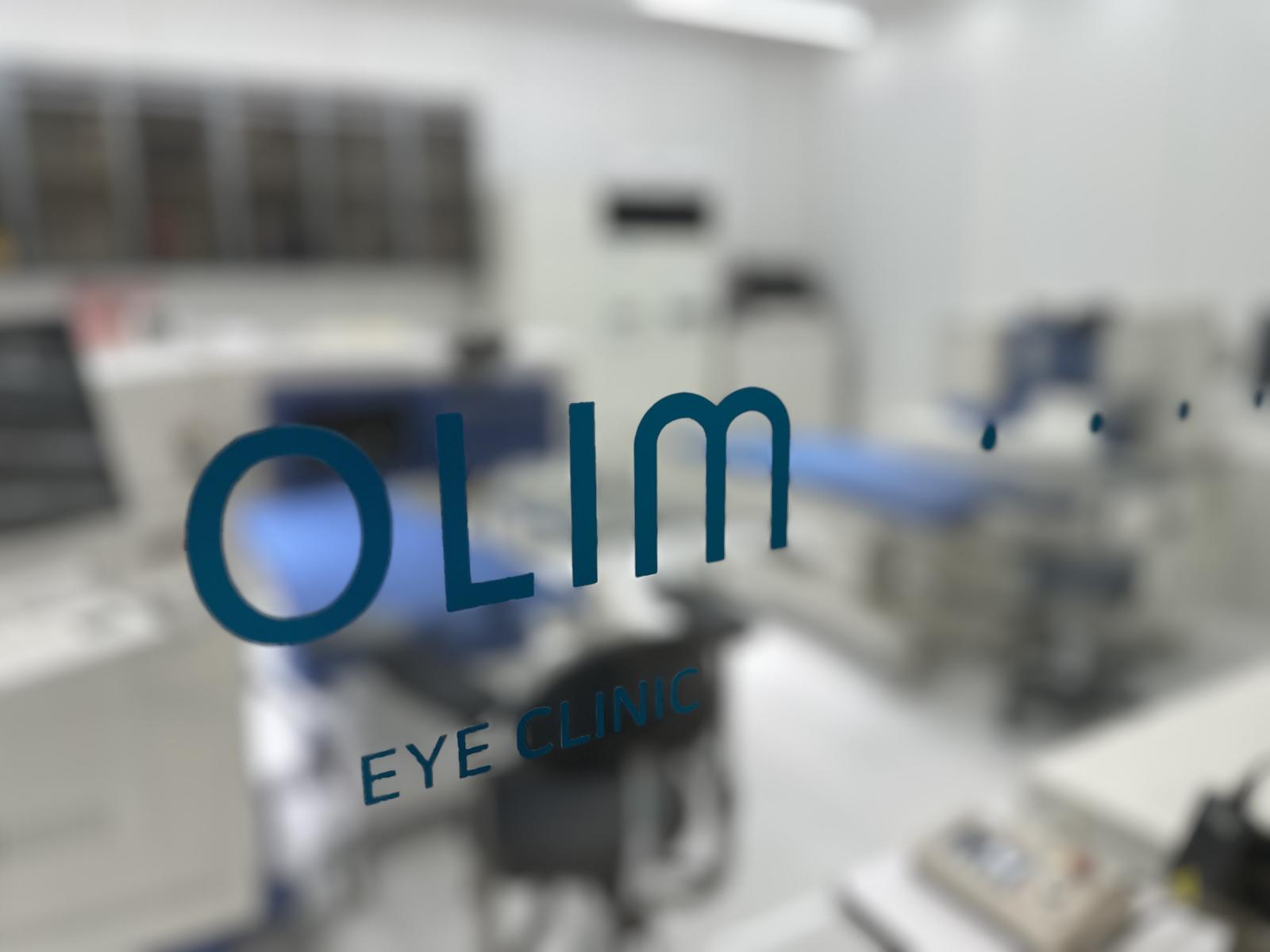
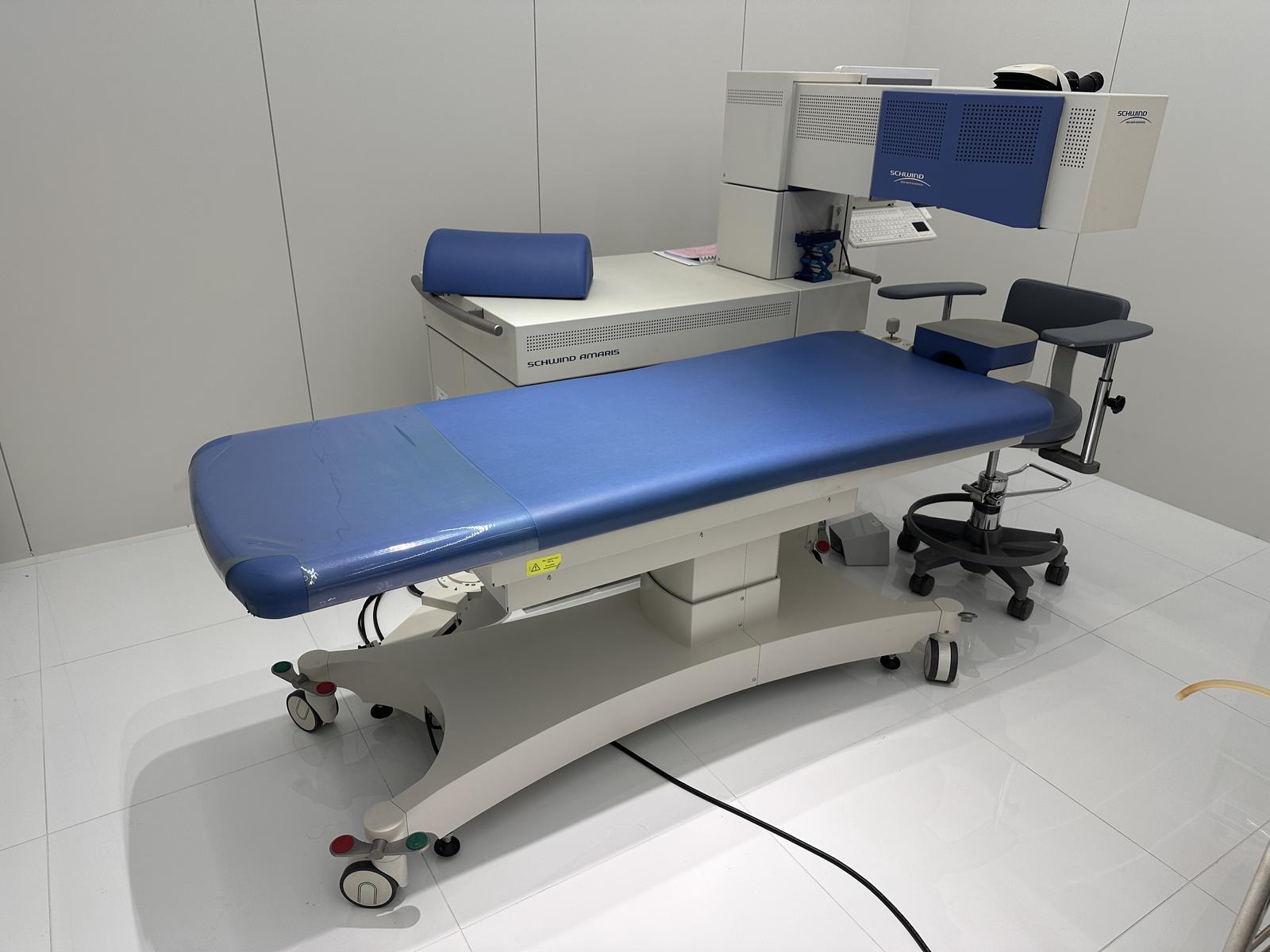
OLIM Eye Clinic Gangnam uses SCHWIND technology from eye measurement to surgery, planned 1:1 for each patient. Even with the same SMILE, the details of surgery depend on what's used and how.

POINT 01

7D eye tracking
that holds steady lying down

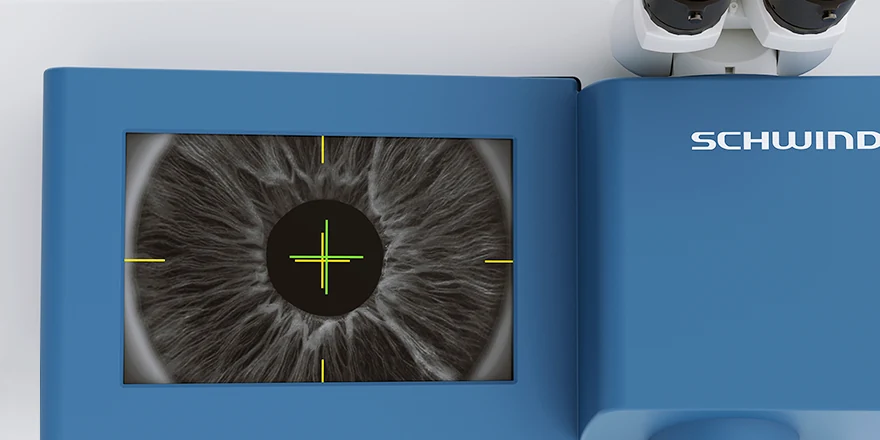
You're examined sitting up and operated on lying down. Changing position rotates the astigmatism axis; ATOS compensates for this rotation and follows even tiny eye movements during surgery to stay centered.

  • SCHWIND ATOS
  • 7D eye tracking
  • Cyclotorsion compensation
POINT 02

Low energy,
smooth cut surfaces

High thermal energy creates bubbles in the cornea and roughens the cut surface. A fast speed of up to 4MHz and low energy down to 75nJ reduce both surgery time and corneal damage.

  • Up to 4MHz
  • As low as 75nJ
  • Curved interface
POINT 03

2mm incision—
the pain-sensing layer stays intact

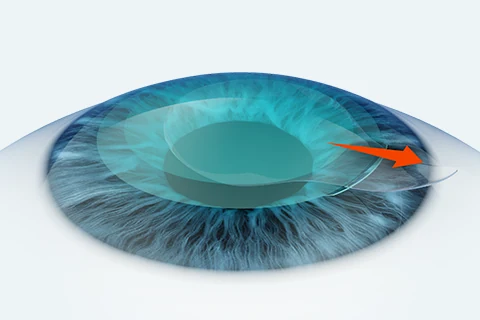
Without disturbing the pain-sensing corneal epithelium, only corneal stroma is removed through a 2mm incision. That means less pain and quicker recovery.

  • 2mm minimal incision
  • No corneal flap
  • Quick recovery

Every patient gets a one-on-one treatment plan,
and after the exam, we recommend only the surgery you need.

OLIM Eye Clinic Gangnam’s principle of care
FEATURE

What sets 5th-generation SMILE apart

Femtosecond laser
01

Femtosecond laser

Cuts only the target area in quadrillionths of a second, separating the corneal lenticule precisely.

7DEye tracking · cyclotorsion compensation
02

Cyclotorsion compensation

You are examined sitting up and operated on lying down. Correcting the shift in astigmatism axis caused by the change in posture makes astigmatism correction more accurate.

7D eye tracking
03

7D eye tracking

Detects and follows tiny eye movements during surgery to keep the center accurate.

Curved interface
04

Curved interface

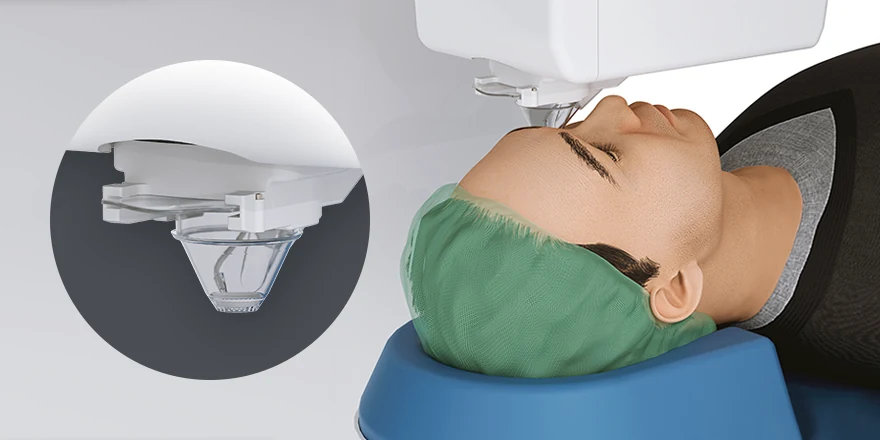
The part that touches the eye is curved, reducing pressure on the eye while it is held in place.

Low energy
05

Low energy

High thermal energy roughens the cut surface. Speeds up to 4MHz and energy as low as 75nJ reduce both surgery time and corneal damage.

Images: SCHWIND eye-tech-solutions (SCHWIND ATOS product information)

SCHWIND ATOS

Certified by
SCHWIND headquarters in Germany

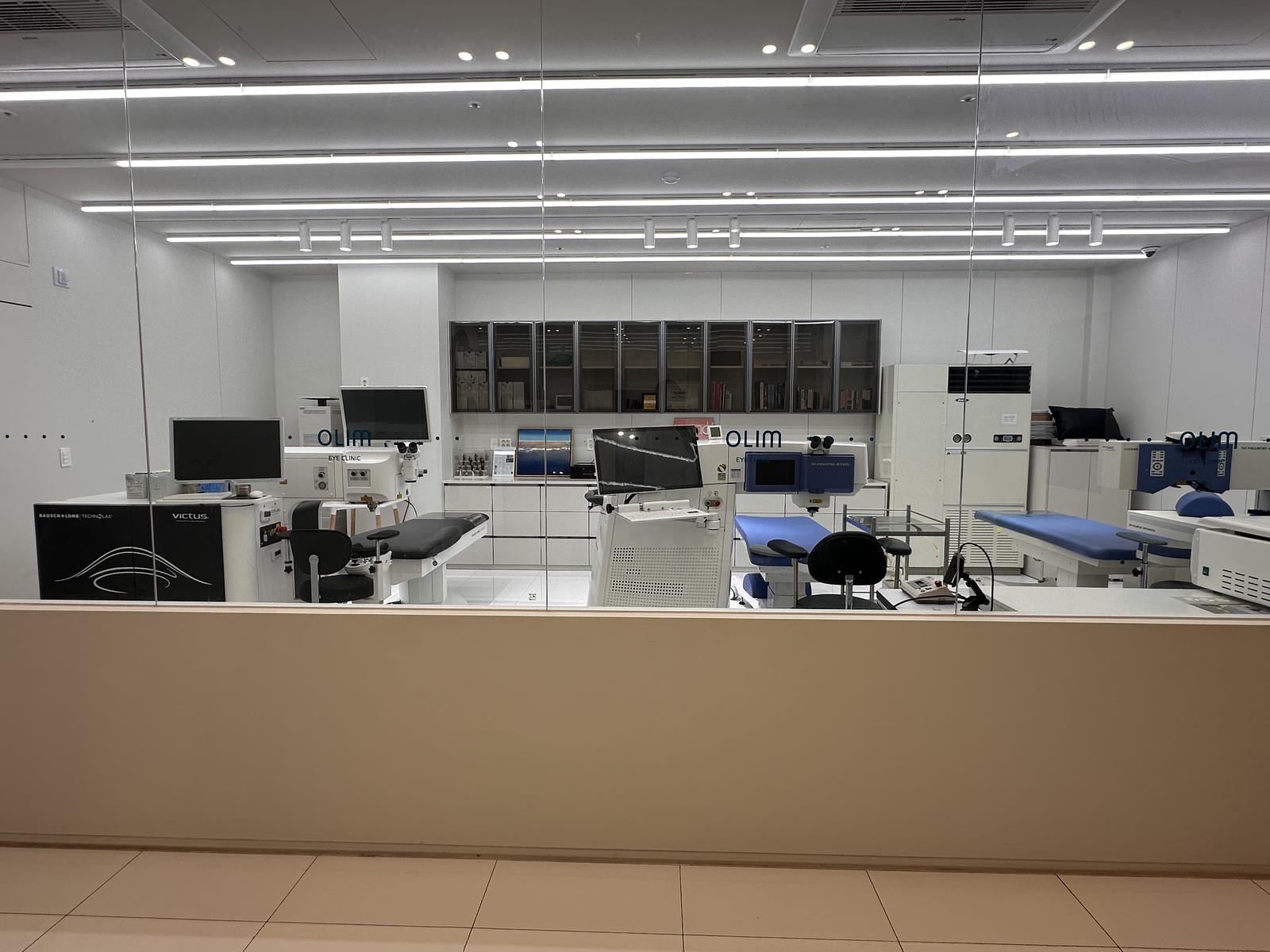
At OLIM Eye Clinic Gangnam, eye measurement and surgery both use SCHWIND technology.

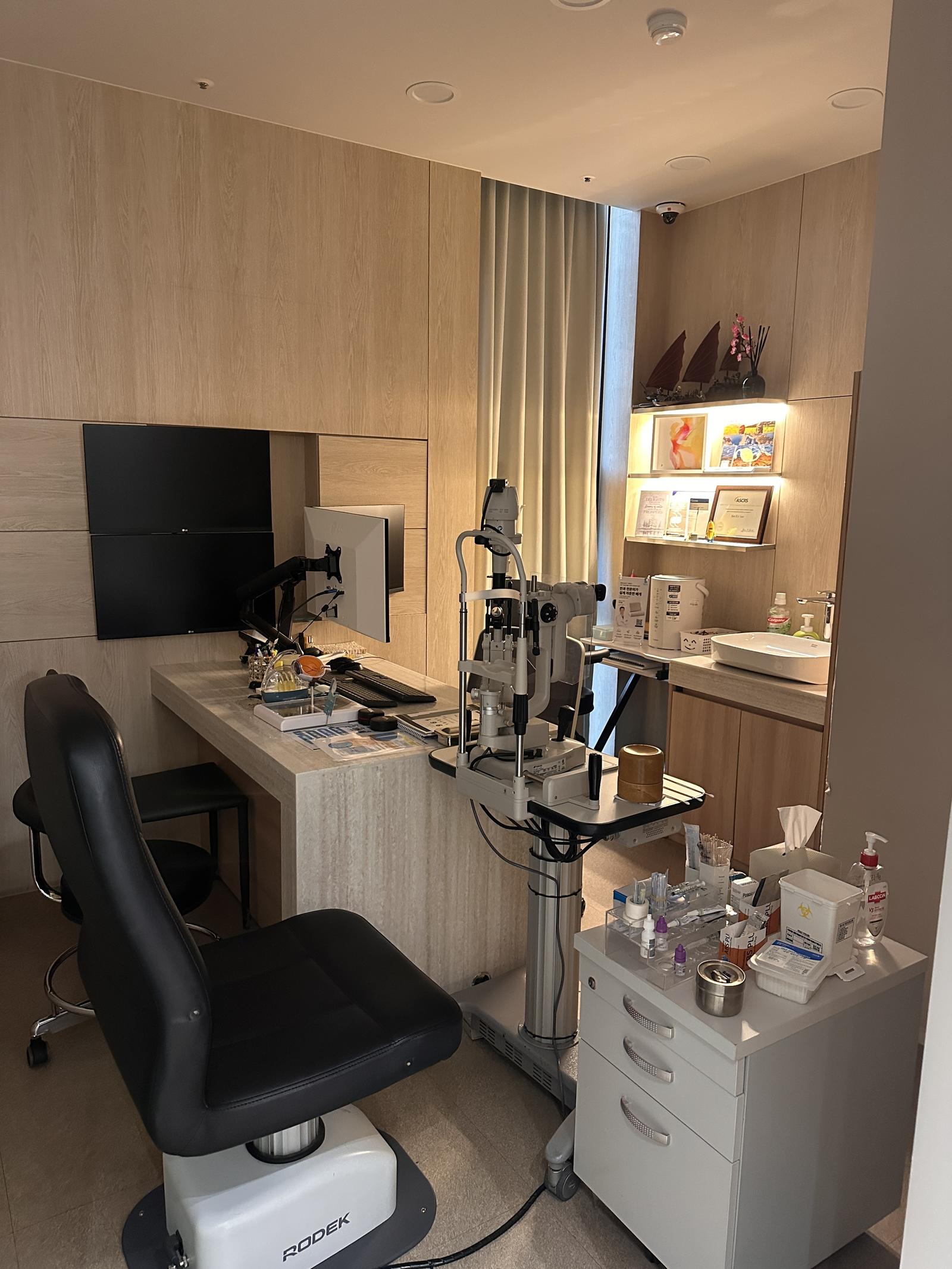
Consultation room
RECOMMEND

Recommended for

  1. 01You want a quicker recovery
  2. 02You feel anxious about surgery
  3. 03You have thin corneas or large pupils
  4. 04Your visual axis and pupil center are misaligned
  5. 05You have high myopia or high astigmatism
  6. 06You care about the quality of your vision
PROCESS

How the surgery works

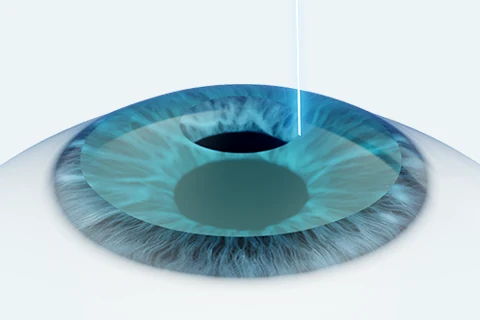
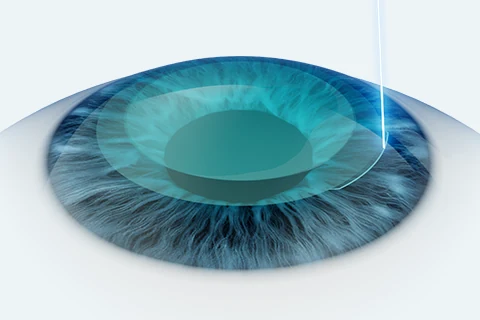
After numbing the cornea with eye drops, the laser completes the surgery in three steps.

  1. Creating the lenticule
    STEP 01

    Creating the lenticule

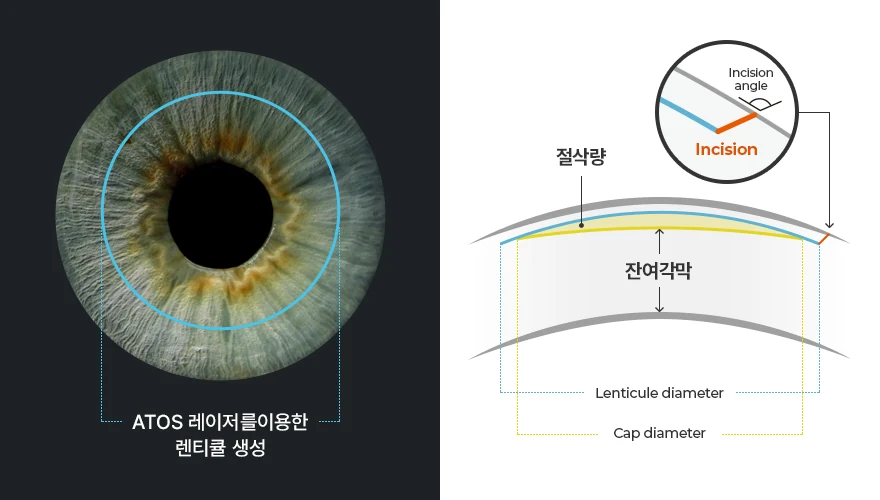
    The ATOS femtosecond laser creates a lenticule inside the cornea.

  2. Minimal incision
    STEP 02

    Minimal incision

    A small incision of about 2mm is made to remove the lenticule.

  3. Removing the lenticule
    STEP 03

    Removing the lenticule

    The lenticule is removed through the incision, and the surgery is complete.

Images: SCHWIND eye-tech-solutions (SCHWIND ATOS product information)

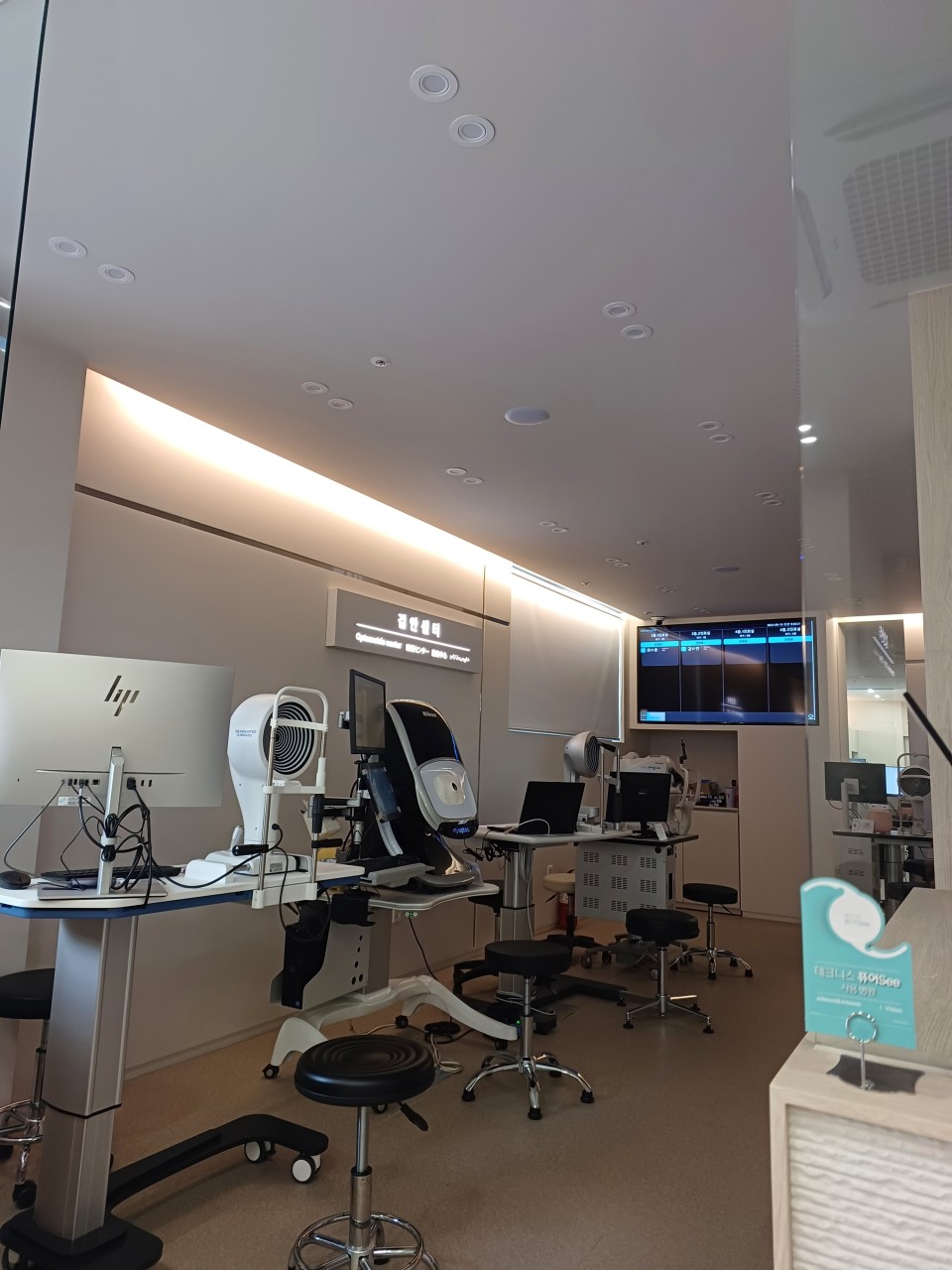
OLIM Eye Clinic Gangnam exam room
EXAM

We don't decide
by your vision number alone

Poor eyesight doesn't mean everyone gets the same surgery. We check corneal thickness and shape, eye pressure, retina and tear condition together before deciding whether surgery is possible and how to correct.

Corneal thicknessCorneal shapeMyopia · astigmatismEye pressureRetinaDry eye
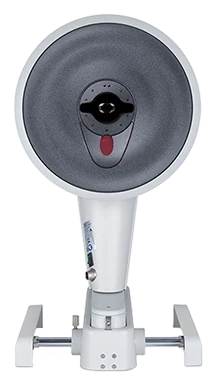
Pentacam
Diagnostic · Anterior segment 3D imagingPentacam

Analyzes corneal topography, thickness and shape to detect abnormal corneas such as keratoconus before surgery.

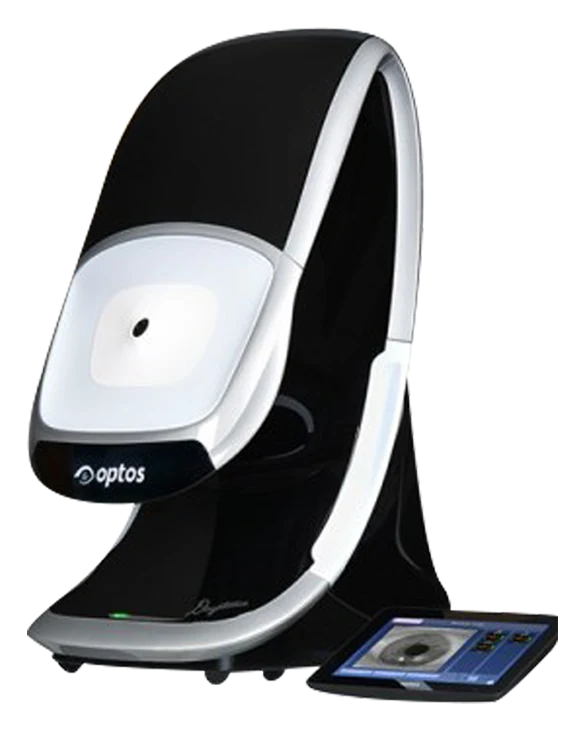
OPTOS DAYTONA
Diagnostic · Wide-field retinal imagingOPTOS DAYTONA

Captures 200° wide-field images out to the peripheral retina without dilating drops, for early detection of macular degeneration, diabetic retinopathy and retinal detachment.

OCULUS Keratograph 5M
Diagnostic · Dry eye testingOCULUS Keratograph 5M

Images the meibomian glands and measures tear meniscus height, tear break-up time, lipid layer and redness.

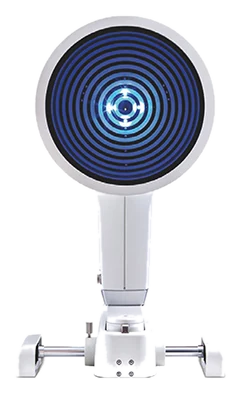
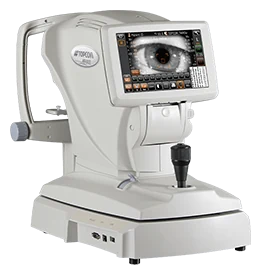
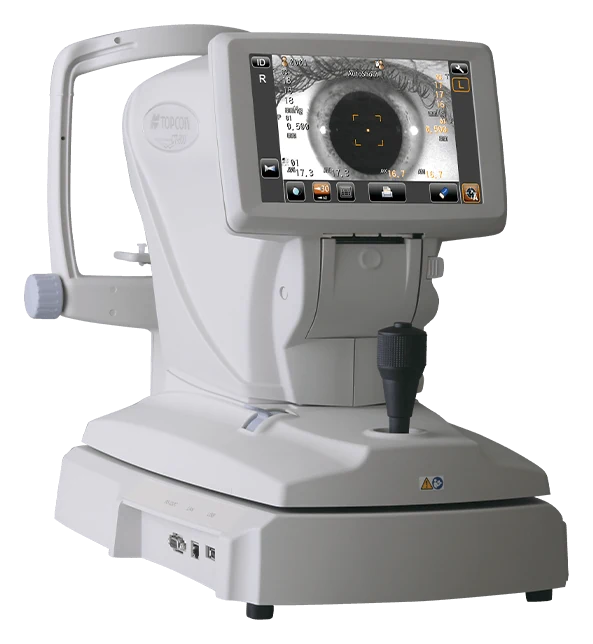
TOPCON KR-800
Diagnostic · AutorefractionTOPCON KR-800

Measures refractive power and corneal curvature to determine sphere, cylinder and astigmatism axis.

TOPCON CT-800
Diagnostic · Non-contact tonometerTOPCON CT-800

Measures eye pressure without touching the eye. Used for early glaucoma diagnosis and follow-up.

ASK FIRST

Please tell us at your exam
if any of these apply

The US FDA advises talking separately with your doctor before laser vision correction if any of the following apply.

  1. 01Your glasses or contact lens prescription changed in the past year
  2. 02You have a condition or take medication that can affect wound healing
  3. 03You do sports with frequent blows to the face and eyes, such as boxing, wrestling or martial arts
  4. 04You've had herpes or shingles around the eyes
  5. 05You've been diagnosed with glaucoma, suspected glaucoma or high eye pressure
  6. 06You have eye inflammation such as uveitis, a history of eye injury or eye surgery, or keratoconus
SCHEDULE

From 2 weeks before the exam
through recovery

What to prepare and the changes you may notice during recovery, by stage. You'll receive your own schedule after the exam.

  1. 1–2 weeks before the exam

    Stop wearing contact lenses so the cornea returns to its natural shape. Hard or toric lenses may need a longer break—please check when booking.

  2. Day before surgery

    Avoid alcohol and smoking and get enough sleep. Please schedule so you aren't overworked and tired on surgery day.

  3. Day of surgery

    Come without eye makeup and in comfortable clothes. Protective glasses against sun and wind are helpful. Driving is difficult after surgery, so come with a companion or use public transport.

  4. First few days after surgery

    Your eyes may feel dry, or you may notice glare or a gritty feeling. How much and for how long depends on your eyes.

  5. First few months

    Vision may fluctuate slightly. The FDA's LASIK patient information explains that vision can take 3–6 months to stabilize.

  6. After that

    Keep your scheduled follow-up visits. Eye health care continues to matter after surgery.

AFTERCARE

During recovery,
please follow these

Please do

  • Use prescribed eye drops as directed.
  • Wear sunglasses outdoors to block UV.
  • During long screen time, rest by looking into the distance now and then.

Please avoid

  • Don't rub your eyes. Take care not to touch them in your sleep.
  • Avoid strenuous exercise early on.
  • Cut down on drinking and smoking.
  • Be careful to keep water out of your eyes.

Contact us right away if

If pain worsens or vision keeps getting worse, contact us right away instead of waiting for your appointment.


WhatsApp
RISK

Possible complications
to know before deciding

Every surgery has risks. Below is what the US FDA tells people considering laser vision correction. Whether to have surgery is decided through a detailed exam and consultation with our doctors.

COMPARE

SMILE · LASIK · LASEK · ICL:
how do they differ?

All four correct refractive errors such as myopia and astigmatism. Which one suits you is decided by your exam results.

5th-gen SMILELASIKLASEKICL
How it correctsA femtosecond laser creates a piece of corneal stroma, which is removed.A corneal flap is created and lifted, and the laser is applied to the stroma.The corneal epithelium is removed, the laser is applied, and a protective bandage lens is placed.The cornea is left as is, and a lens is placed behind the iris.
Incision · flap2mm minimal incision
No flap
Flap (cap) createdNo flap
Epithelium removed
Incision of about 3mm at the edge of the cornea
Corneal tissue removalYesYesYesNo
Recovery timeExplained after exam1–2 days2–4 daysExplained after exam
Who might consider itThin corneas or large pupils
High myopia · high astigmatism
Thicker corneas
Moderate or lower myopia
Those wanting fast recovery
Thin corneas
High · extreme myopia
Frequent strenuous or contact sports
Corneas too thin or myopia too severe
for laser
Extreme myopia · astigmatism · hyperopia
RAISE YOUR VIEW. FOR LIFE.

One building.
Your eyes, for life.

From a child’s first Dream Lens to vision correction, eye-area care and presbyopia surgery. An eye clinic you’ll have a reason to return to at every age.

  1. Growing yearsChildren and parents

    We help manage myopia in growing eyes.

  2. 20s–30sVision correction

    A first step toward seeing without glasses or contacts.

  3. 30s–40sEye area and eye comfort

    Care for eyes and eye areas worn out by screens.

  4. 50s and upPresbyopia and eye health

    Presbyopia and cataract, plus the optic nerve and retina.

FAQ

FAQ

For anything else, ask us on WhatsApp.

How is SMILE different from LASIK?

LASIK creates and lifts a corneal flap (cap), then applies the laser to the stroma. 5th-generation SMILE creates no flap; a piece of corneal stroma made by a femtosecond laser is removed through a 2mm incision.

If my eyesight is very poor, can I not have SMILE?

We don't decide by one vision number. We check corneal thickness and shape, degree of myopia and astigmatism, eye pressure, retina and dry eye together to decide whether surgery is possible and which method. If your cornea is thin or your myopia is severe, ICL can also be considered.

Do I need to stop wearing contacts before the exam?

Yes. Contact lenses change corneal shape and affect measurements. Usually stop for 1–2 weeks; hard or toric lenses may need a longer break—please check when booking.

Can I come alone on surgery day?

Driving is difficult after surgery, so please come with a companion or use public transport. Please come without eye makeup. Registration for exams and surgery closes 2 hours before clinic closing.

Will I have glare or dryness after surgery?

Early on you may have dryness, glare or a gritty feeling, and how much and for how long varies by person. You'll use prescribed drops and we'll check your progress at regular check-ups. If pain worsens or vision keeps getting worse, contact us right away instead of waiting for your appointment.

Wondering which option suits your eyes?

Our director reviews your results and explains them in person.