PRESBYOPIA · CATARACT

Before cataract sets in,
treat presbyopia in your 40s–50s

In your 60s, presbyopia and cataract progress together. It is better to have presbyopia surgery before then.

WHY OLIM CATARACT

A doctor who has researched cataract
sees you himself

Dr. Lee Ki-il, Medical Director, received the Taejun Academic Paper Award from the Korean University Ophthalmology Society for research on cataract and posterior corneal astigmatism. From lens power calculation to surgical equipment, cataract surgery follows set criteria.

POINT 01

Cataract · posterior corneal astigmatism:
an award for research

Adjunct Professor at Seoul St. Mary’s Hospital; full member of the American Society of Cataract and Refractive Surgery (ASCRS) and the Korean Society of Cataract and Refractive Surgery (KSCRS).

  • Taejun Academic Paper Award
  • ASCRS · KSCRS
  • Adjunct Professor, Seoul St. Mary’s Hospital
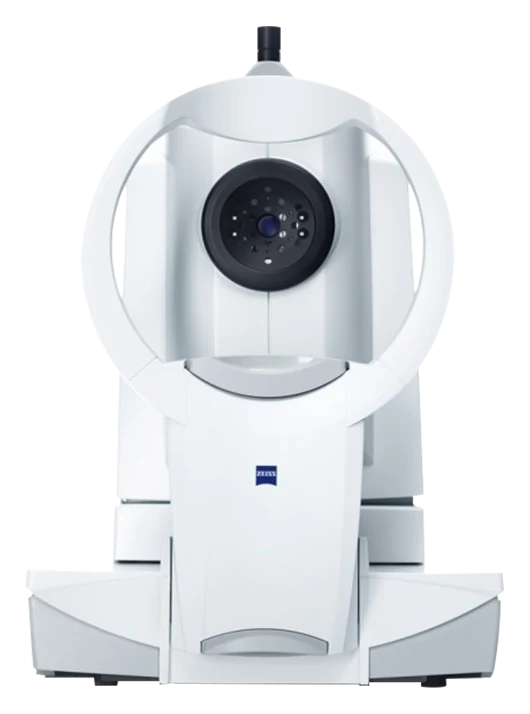
IOL Master 700Diagnostic · IOL power measurementIOL Master 700
POINT 02

Lens power,
measured precisely without contact

The intraocular lens power that shapes your outcome is calculated with the IOL Master 700, without touching your eye.

  • IOL Master 700
  • Non-contact measurement
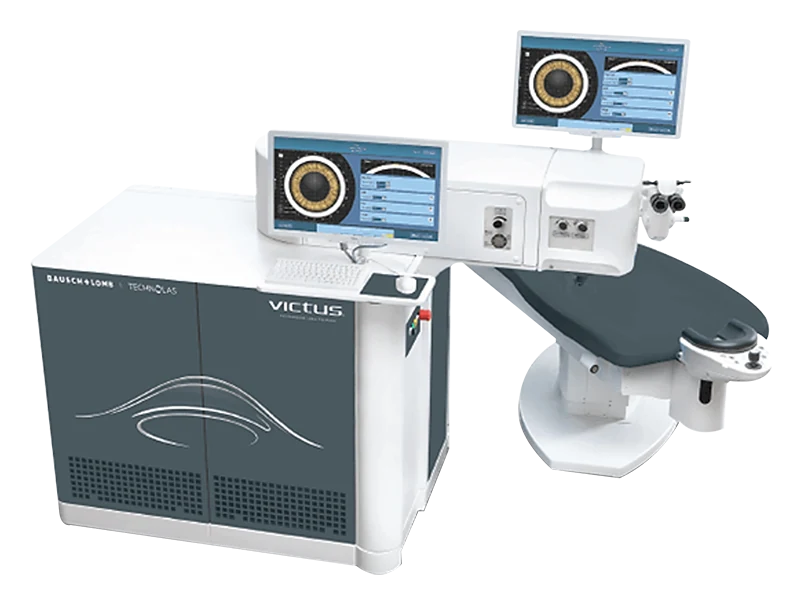
VICTUS Femtosecond LaserSurgical · Femtosecond laserVICTUS Femtosecond Laser
POINT 03

Laser and ultrasound:
two devices

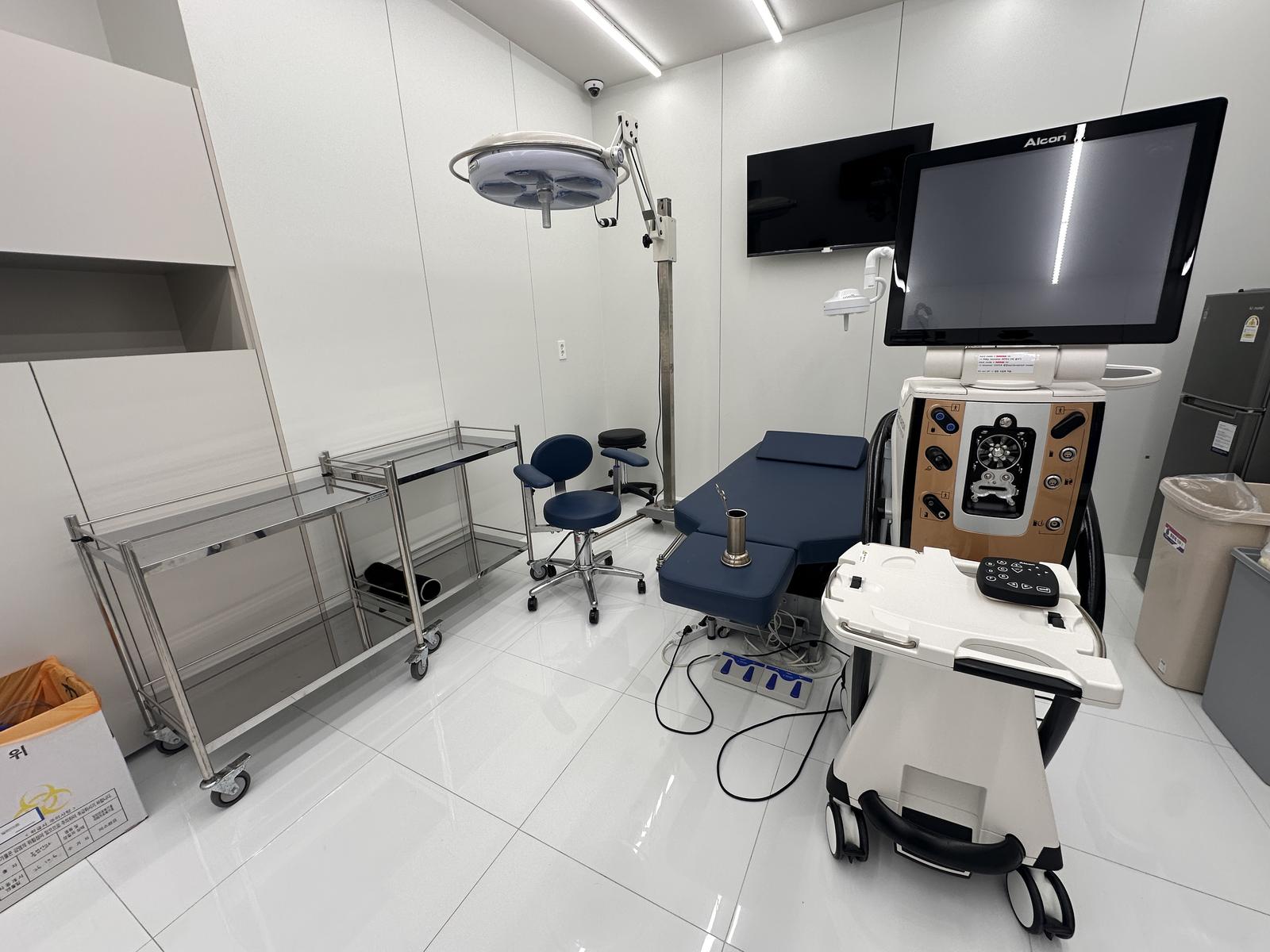
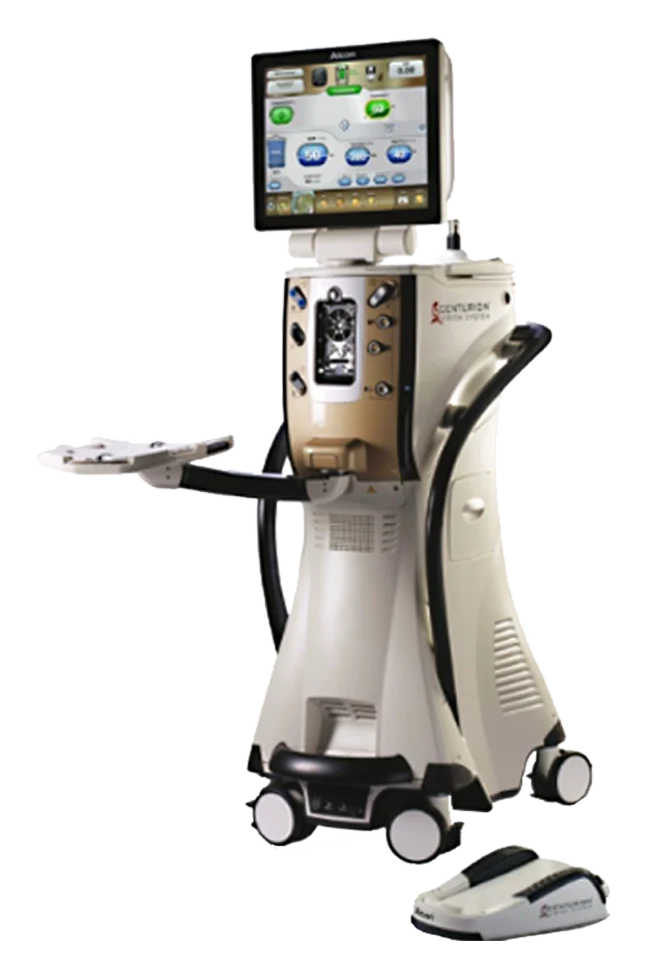
We operate with the VICTUS femtosecond laser and the ALCON CENTURION ultrasound cataract system. Small incisions make stitch-free surgery possible.

  • VICTUS
  • ALCON CENTURION
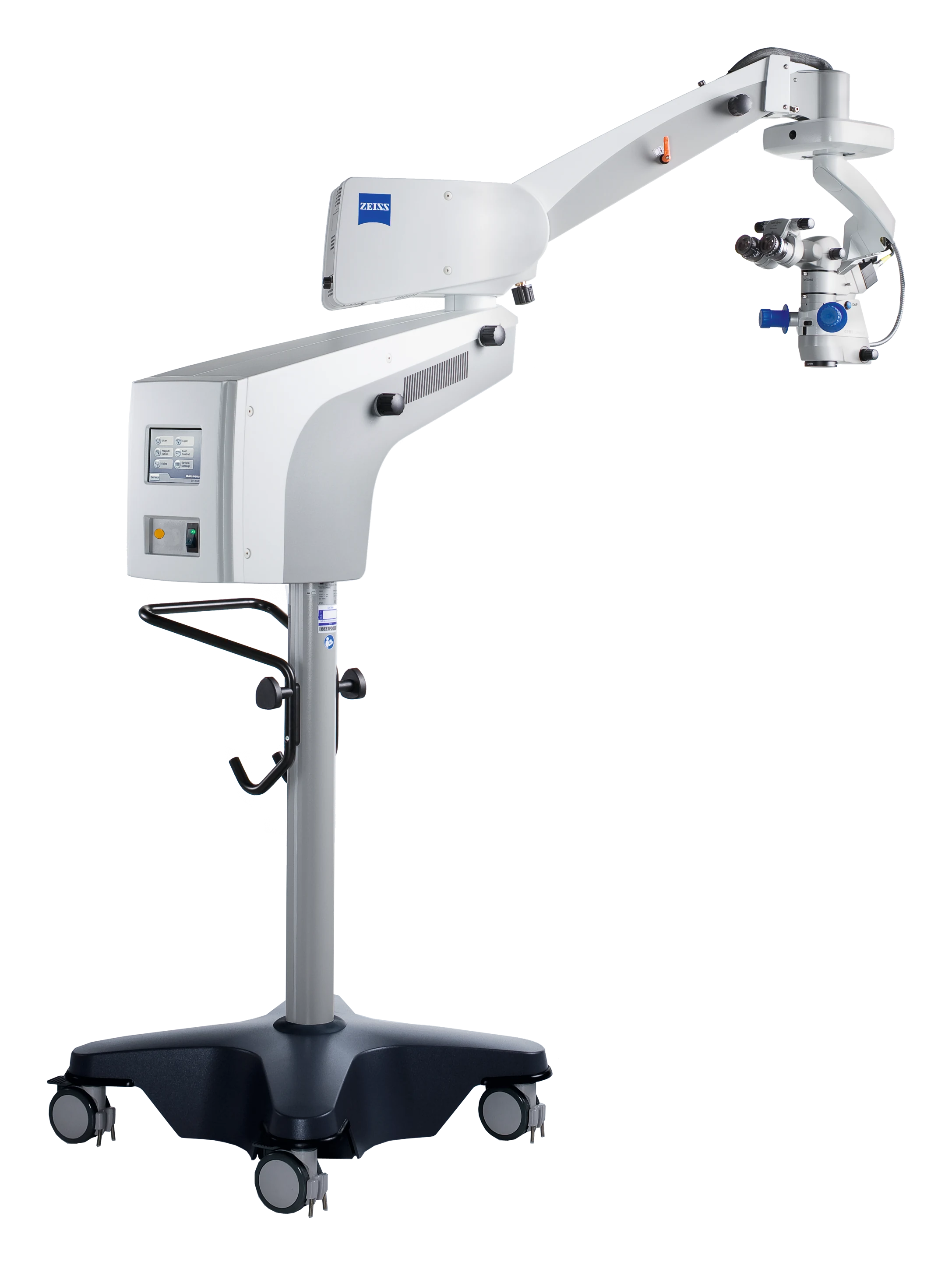
  • Zeiss LUMERA i

Every patient gets a one-on-one treatment plan,
and after the exam, we recommend only the surgery you need.

OLIM Eye Clinic Gangnam’s principle of care
DIFFERENCE

Presbyopia and cataract
have different causes

Both begin with aging of the lens, but their symptoms and causes differ. Presbyopia is a weakening of the ability to focus up close; cataract is clouding of the lens.

PresbyopiaCataract
CauseReduced focusing ability of the lensClouding of the lens
SymptomsHard to see up close; blurry, farsighted-like symptomsHazy as if in fog; poor vision both near and far
In commonAge-related vision problems linked to changes in the lensAge-related vision problems linked to changes in the lens
SELF CHECK

If 3 or more apply, get an eye exam

Presbyopia self-check

0/ 7

Tap the items that apply to you

Three or more apply. An eye exam can tell you exactly where things stand.

Submit request

Cataract self-check

0/ 7

Tap the items that apply to you

Three or more apply. An eye exam can tell you exactly where things stand.

Submit request
CAUSE

What causes cataract?

EQUIPMENT

Presbyopia & cataract surgery equipment

VICTUS Femtosecond Laser
Surgical · Femtosecond laserVICTUS Femtosecond Laser

A femtosecond laser for cataract surgery, designed for quick recovery and high corrected vision. It is also used for Black LASIK and laser corneal transplants.

ALCON CENTURION
Surgical · Cataract surgeryALCON CENTURION

An intelligent ultrasound cataract surgery system. Its micro-incision allows suture-free surgery with very little pain or bleeding.

Zeiss LUMERA i
Surgical · Surgical microscopeZeiss LUMERA i

A surgical microscope with high-resolution imaging and precise illumination; real-time digital images help improve surgical accuracy.

IOL Master 700
Diagnostic · IOL power measurementIOL Master 700

Precisely calculates the power of the intraocular lens for cataract surgery, without touching the eye.

Comparison of normal vision, presbyopic vision and cataract vision
VISION

First, we identify
the cause of blurry vision

Blurriness can mean presbyopia, where the eye’s focusing power has weakened, or cataract, where the lens has turned cloudy, and the approach differs for each. Our exam looks beyond your vision score to the state of your lens, changes in your vision, and how much close-up work, driving and nighttime activity is part of your day.

Lens conditionChanges in visionDaily habits
SURGERY

Cataract surgery
follows these steps

The clouded lens is removed and an intraocular lens is placed in its position. For presbyopia and cataract surgery, we use the VICTUS femtosecond laser and the Alcon CENTURION ultrasound system.

  1. Detailed exam

    The size and shape of your eye are measured to choose the intraocular lens. Lens power is calculated with the IOL Master 700.

  2. Preparing for surgery

    Please tell us about all the medicines you take. You may be asked to pause medicines that affect bleeding, and antibiotic eye drops may be used to prevent infection.

  3. Surgery

    After numbing eye drops, the clouded lens is broken into small pieces and removed, and the intraocular lens is inserted. Most patients stay awake throughout.

  4. Recovery check

    You rest briefly in the recovery room, and go home after your eyes are checked. You can’t drive that day, so please come with a companion if you can.

LENS

How is an intraocular lens chosen?

An intraocular lens stays in your eye once it is placed. That is why it matters to choose carefully, matching the lens to the characteristics of your eye.

MonofocalExtended depth of focus (EDOF)Trifocal
FocusOne distance (usually far)Far · intermediateNear · intermediate · far
Reading glassesNeeded for intermediate and nearNeeded for nearAims to reduce reliance in most daily activities
Glare and halosRelatively fewRelatively fewMay occur
Suited toFor those who want sharp vision at one set distanceFor those who rely on intermediate and far vision, such as computer work and drivingFor those who want to wear glasses less, from reading to driving
RECOVERY

Recovery after surgery
takes several weeks

  1. Day of surgery

    You receive eye drops to aid recovery and, if needed, wear a protective shield or glasses. Do not drive yourself.

  2. Days 1–2

    Your eyes may itch, feel gritty or be sensitive to light. This usually eases within a day or two.

  3. For several weeks

    Don’t touch or rub your eyes. Also avoid bending over deeply or lifting heavy objects.

  4. About 8 weeks

    Most people recover by around this time. After that, glasses or contact lens prescriptions are updated if needed.

CAUTION

Contact us right away
if you notice these symptoms

Like any surgery, cataract surgery carries risks such as swelling, bleeding, infection, changes in eye pressure and retinal detachment. The sooner a problem is treated the better, so please don’t miss your follow-up visits.

CARE

Everyday care

RAISE YOUR VIEW. FOR LIFE.

One building.
Your eyes, for life.

From a child’s first Dream Lens to vision correction, eye-area care and presbyopia surgery. An eye clinic you’ll have a reason to return to at every age.

  1. Growing yearsChildren and parents

    We help manage myopia in growing eyes.

  2. 20s–30sVision correction

    A first step toward seeing without glasses or contacts.

  3. 30s–40sEye area and eye comfort

    Care for eyes and eye areas worn out by screens.

  4. 50s and upPresbyopia and eye health

    Presbyopia and cataract, plus the optic nerve and retina.

FAQ

FAQ

For anything else, ask us on WhatsApp.

Can presbyopia and cataract happen together?

Yes. Both are changes related to the aging of the lens, so by your 60s they often progress together. If close-up text looks blurry and your vision is also hazy with more glare, have both checked.

Can eye drops or glasses improve cataract?

Early on, changing your glasses prescription or using brighter lighting can ease discomfort. But no drops or glasses can make a clouded lens clear again; surgery is the way to remove a cataract.

When is the right time for surgery?

When daily activities such as reading, driving or watching TV become uncomfortable, discuss surgery with your doctor. If the cataract advances and the lens hardens, surgery can become more difficult, so timing should be decided while tracking progress with regular checkups.

Are both eyes operated on at once?

Usually each eye is operated on separately, on different days. The interval between the two eyes is decided by the medical team based on your eye condition and recovery.

Will I no longer need glasses after surgery?

It depends on which intraocular lens is used. With a monofocal lens, you need reading glasses for distances other than the one it is set for; with an EDOF lens, you may need reading glasses for near. Glasses prescriptions are sometimes updated after recovery.

Can vision become cloudy again after surgery?

Weeks to years after surgery, the membrane behind the intraocular lens can become cloudy, called posterior capsule opacification. In that case, it is treated with a laser.


Wondering which option suits your eyes?

Our director reviews your results and explains them in person.