DREAM LENS

Correct while you sleep,
go without glasses by day

Lenses worn while sleeping keep your vision clear during the day.

WHY DREAM LENS

Corrected while you sleep,
glasses-free by day

If glasses get in the way during sports but your child isn't old enough for vision correction surgery yet, ask us about Dream Lens—worn during sleep, no surgery.

POINT 01

Not surgery—
a lens

It gently reshapes the cornea temporarily during sleep to correct myopia and astigmatism. Stop wearing it and the eye returns to its original state, with no effect on future LASIK or LASEK.

  • Non-surgical correction
  • Reversible
POINT 02

Astigmatism
too

LK lenses are worn for about 7 hours, and Toric Premier lenses correct myopia and astigmatism together.

  • LK lens
  • Toric Premier
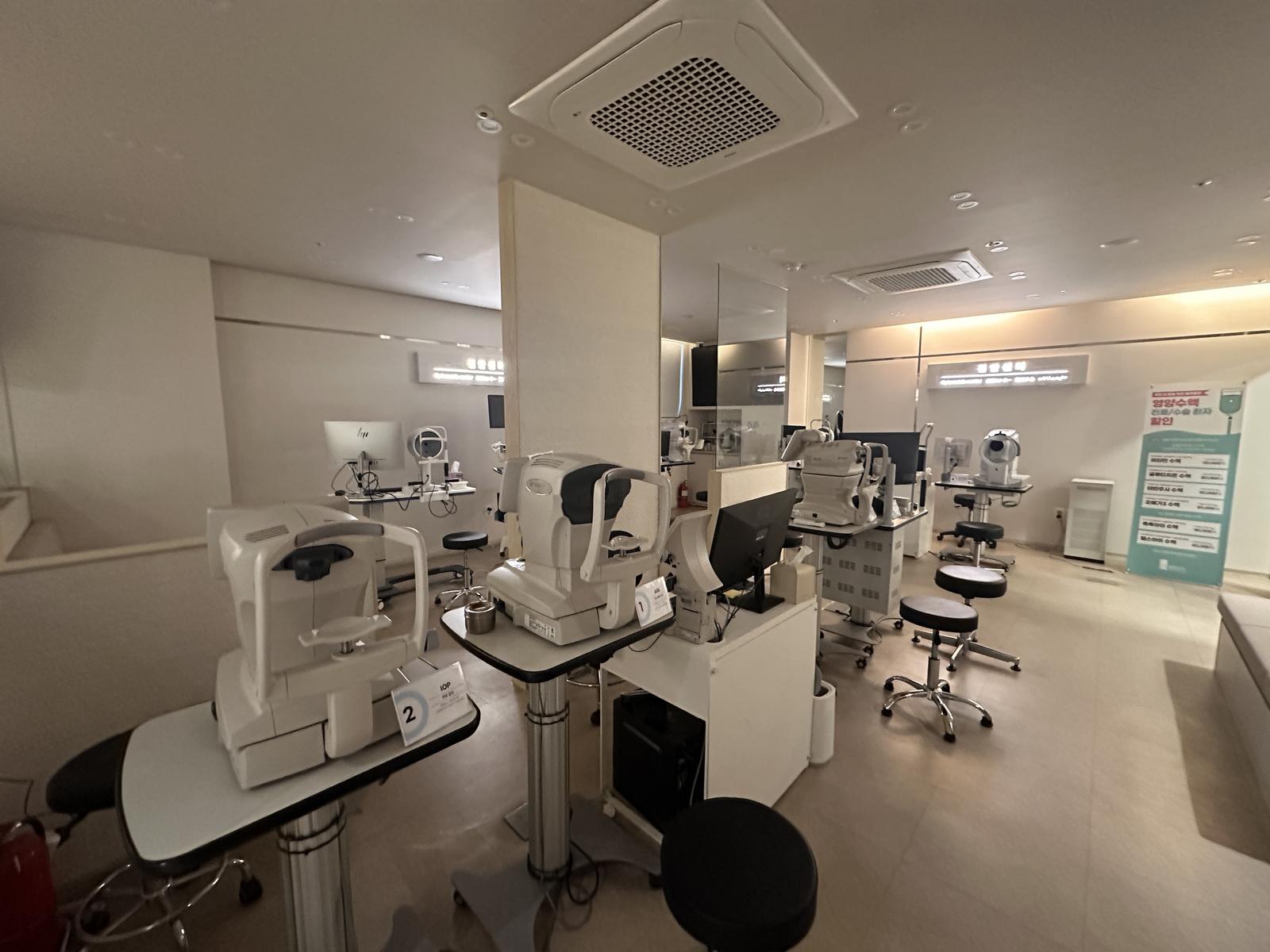
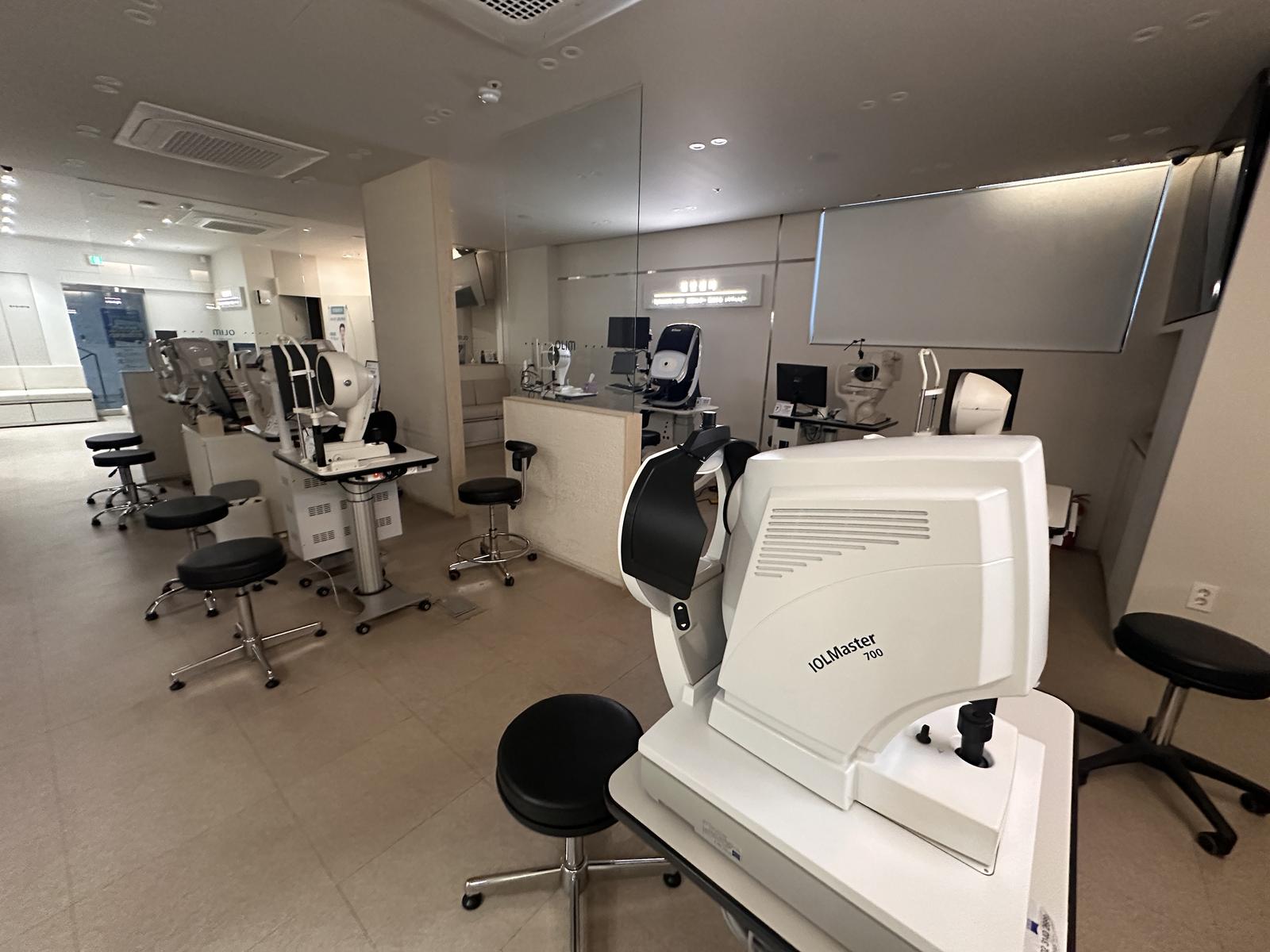
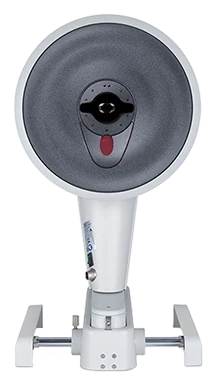
PentacamDiagnostic · Anterior segment 3D imagingPentacam
POINT 03

Fitted to your child's eyes,
starting with an exam

We examine corneal shape and refraction, then prescribe a lens that fits your child's eyes.

  • Custom prescription
  • Corneal exam
LENS

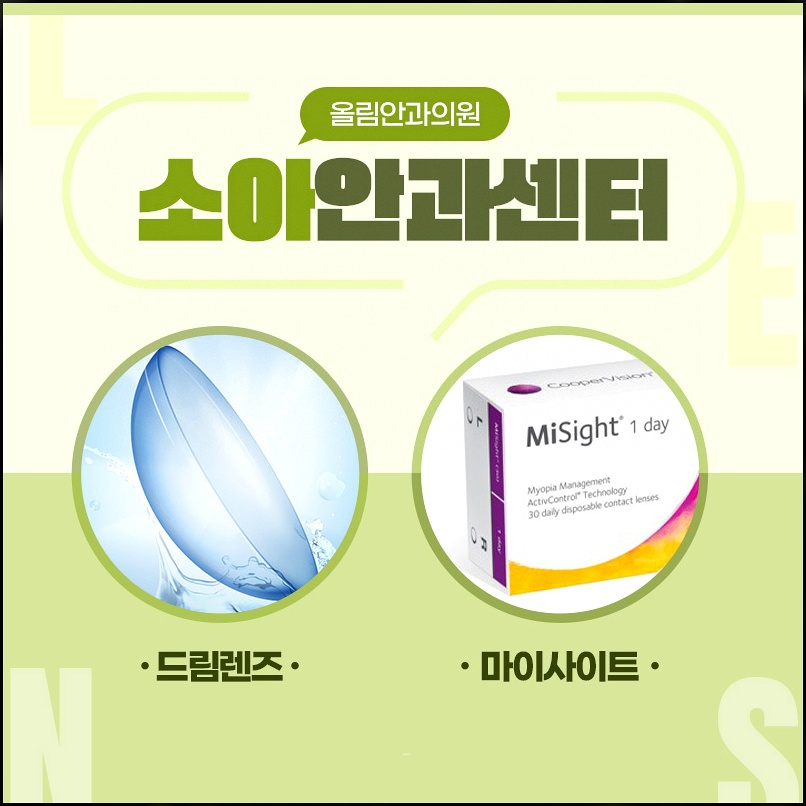
Two types of Dream Lens

WHAT IS

Corrects by gently flattening the cornea during sleep

A non-surgical lens that temporarily flattens the cornea during sleep to correct myopia and astigmatism. When you stop wearing it, the eye returns to its original state, and it does not affect having LASIK or LASEK later.

References: Kakita T. et al., IOVS 2011;52(5) · Sun Y. et al., PLoS One 2015;10(4):e0124535 · Na M., Yoo A., Jpn J Ophthalmol 2018;62(3):327-334

RECOMMEND

Recommended for

PROCESS

One-on-one exam for a custom lens

  1. Detailed exam

    Tests for lens fitting.

  2. Consultation

    The doctor checks your eyes.

  3. Lens fitting

    We choose a lens that fits your eyes and you try it on.

  4. Lens pickup

    We explain care and precautions.

MYOPIA

Why myopia needs attention
in the growing years

Myopia happens when the eye grows too long front to back, so light focuses in front of the retina and distant objects look blurry. It usually starts at ages 6–14 and can worsen into the early 20s, and it's more likely if family members are nearsighted.

Source: National Eye Institute (NEI): Nearsightedness

HOW TO USE

Put in at night,
take out in the morning

Dream Lens is a special hard lens worn during sleep. It gently reshapes the cornea temporarily overnight, helping your child go without glasses during the day after removing it.

  1. Before bed

    Put in the lenses and go to sleep.

  2. While sleeping

    Wear them for about 7–8 hours.

  3. Morning

    Take the lenses out after waking up.

  4. During the day

    Go about the day without glasses or contacts.

BEFORE FITTING

Before choosing a lens,
we check the cornea

Dream Lens isn't simply worn because vision is poor. Because it temporarily changes the shape of the cornea, we check the eye before trying a lens.

  1. Detailed exam

    We check the cornea and refraction.

  2. Custom design

    We choose a lens that fits the eyes.

  3. Wear training

    Learn how to put in, remove and care for the lenses.

  4. Regular check-ups

    We keep track of eye changes during the growing years.

DREAM LENS · MISIGHT

Dream Lens vs. MiSight:
how do they differ?

Dream LensMiSight
Wearing time7–8 hours during sleep10 hours a day during the daytime
Lens typeSpecial hard lensDisposable soft lens
Lens careNeeds cleaning and storageA new lens every day, so no cleaning needed
DaytimeNo lensesLenses worn
Dream Lens and MiSight
HOW TO CHOOSE

Which lens is right
is decided by exam and consultation

The two lenses are cared for differently. We look at your child's eyes and daily routine together to choose the right option.

Whether it can be worn during sleepDaytime activitiesAbility to manage lens careTear volume and corneal healthGrowth rate
CAUTION

Remove the lenses and
see a doctor if

We'll explain lens care and precautions when you receive the lenses. Below are general rules for any contact lens use.

Source: National Eye Institute (NEI): Contact Lenses

RAISE YOUR VIEW. FOR LIFE.

One building.
Your eyes, for life.

From a child’s first Dream Lens to vision correction, eye-area care and presbyopia surgery. An eye clinic you’ll have a reason to return to at every age.

  1. Growing yearsChildren and parents

    We help manage myopia in growing eyes.

  2. 20s–30sVision correction

    A first step toward seeing without glasses or contacts.

  3. 30s–40sEye area and eye comfort

    Care for eyes and eye areas worn out by screens.

  4. 50s and upPresbyopia and eye health

    Presbyopia and cataract, plus the optic nerve and retina.

FAQ

FAQ

For anything else, ask us on WhatsApp.

From what age can children wear Dream Lens?

We recommend it for children and teens aged 7 and older with myopia or astigmatism. Adults who'd rather avoid surgery can also consider it; suitability is decided after an exam.

How long should they be worn each night?

About 7–8 hours during sleep. Removing them in the morning helps your child go without glasses during the day.

What happens if they stop wearing the lenses?

Dream Lens corrects vision by temporarily reshaping the cornea, so when wear stops, the cornea returns to its original state.

Can they have LASIK or LASEK later?

When Dream Lens wear stops, the eye returns to its original state, so it doesn't affect having LASIK or LASEK later. Be sure to tell us you wear Dream Lens at your surgery consultation.

Which is right: Dream Lens or MiSight?

We decide by looking at whether lenses can be worn during sleep, daytime activities, ability to manage lens care, tear volume and corneal health, and growth rate.

What if the eyes get red or sore after wearing the lenses?

Remove the lenses. If symptoms stay the same or get worse after removing them, see a doctor right away.


Your child's myopia: start with a consultation

After examining your child's eyes, we recommend a suitable lens.