
 한국어
 English
 繁體中文
 Монгол хэл
Presbyopia Surgery Cost Korea: Lens Now or Wait for Cataract? Reviews, Methods and Recovery
Presbyopia surgery is possible in your 40s and 50s without cataract. Its cost in Korea depends mainly on the lens your exam points to, one or both eyes, and how many follow-up days keep you in Seoul.
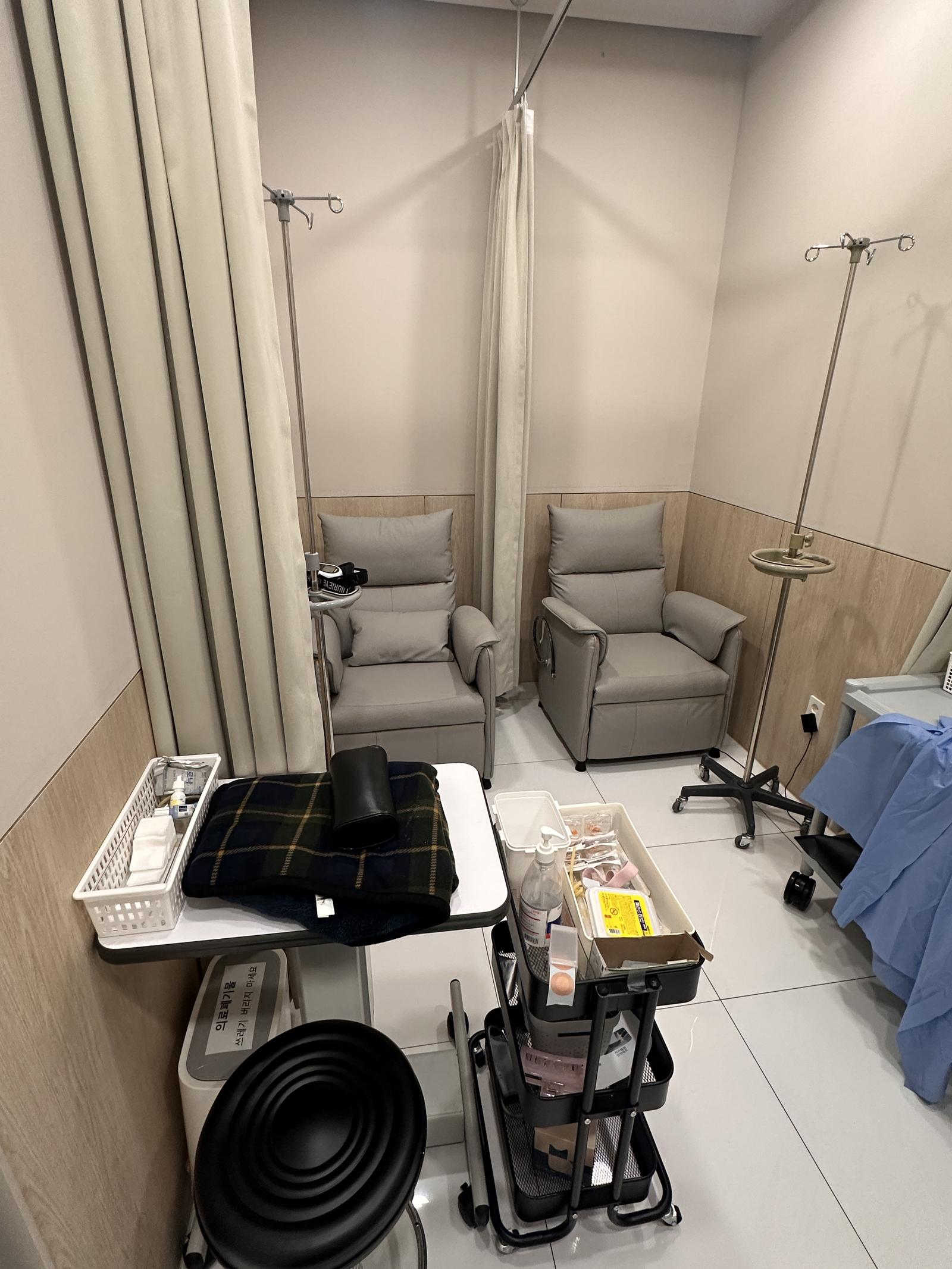
Presbyopia surgery cost Korea: is it worth paying for in your 50s, when a doctor at home has told you to wait for cataract surgery instead?
Read this before you book a flight for a consultation.
You'll know what decides the cost, what reviews say about multifocal lenses and how much of it holds up, which methods exist, and what recovery means for your days in Seoul, so you can choose between now and later for your eyes and your budget.
Hello, I'm Dr. Lee Ki-il, Medical Director and ophthalmologist at OLIM Eye Clinic in Gangnam, Seoul.
I'm an adjunct professor at Seoul St. Mary's Hospital, and my research has centered on cataract and the astigmatism of the back surface of the cornea. We examine first with Pentacam, OPTOS and the IOL Master 700, and for cataract surgery I use the VICTUS femtosecond laser with ALCON CENTURION, through a small incision that needs no stitches.
I wrote this because “wait for cataract” and “do it now” usually get argued before anyone has looked closely at the lens itself, and the cost question gets asked before the exam that answers it.
Presbyopia surgery is possible in your 40s and 50s even without cataract. What it costs in Korea depends mainly on the lens your exam points to, whether one or both eyes are treated, and how many days of follow-up keep you in Seoul.
Send a photo of your current distance and reading prescriptions on WhatsApp, say whether you've had LASIK or LASEK before, and ask what it would cost for your case. Those two details are what the cost question hangs on.
Your numbers decide itSend a photo of your prescription or eye exam report. The doctor reviews it.
Reading glasses and cataract are two different problems
Presbyopia is the lens inside your eye losing its flexibility, so focusing up close gets harder, usually starting in the 40s, as the American Academy of Ophthalmology explains. A cataract is the same lens turning cloudy. One makes a menu hard to read at arm's length; the other dims and blurs everything. They have different causes.
That difference is why the “wait” advice exists. If your lens is clear, there's no cataract to remove, and surgery for near vision means replacing a lens that still lets light through. Lens-based presbyopia surgery swaps your own lens for an artificial one designed to focus at more than one distance, and once your own lens is gone, a cataract can't form in it later.
Should you have it now or wait for cataract surgery?
My view is that if your exam supports lens surgery, it's usually better done before cataract develops alongside presbyopia in your 60s. That isn't a reason to operate on everyone who owns reading glasses. If your lenses are clear, your eyes are otherwise healthy and readers don't bother you much, you don't need surgery, and I'll say so.
What tips the balance, as general medicine: how much near-vision trouble affects your work and daily life; your distance prescription, since far-sighted people often depend on glasses at every distance while many near-sighted people can still read by taking their glasses off; and the health of your retina and optic nerve, which decides whether a multifocal lens makes sense at all.
The AAO's EyeNet has covered the debate over refractive lens exchange, the term for replacing a clear lens to correct focus, and retinal detachment is among the concerns raised, more so in near-sighted eyes. That belongs in the trade-off you're weighing.
Which methods are on the table?
In short, these are the lens families doctors generally discuss for presbyopia. The AAO's guide to lens implants describes them in more depth.
| Lens approach | What it does | Trade-off to ask about |
|---|---|---|
| Monofocal | Sharp at one distance, usually far | Reading glasses still needed for close work |
| Multifocal or EDOF | Spreads focus across distances | Halos or glare around lights at night for some people |
| Toric version | Also corrects astigmatism | Depends on accurate axis measurement |
| Monovision | One eye set for distance, one for nearer | Some people don't adapt to the difference |
Which of these fits is something your exam results show, and we choose from them together. If you're in your early 40s and distance blur bothers you more than reading, the answer may lie in the cornea rather than the lens; I compare those options in SMILE, LASIK or LASEK and what your cornea decides.
What if you had LASIK in your twenties?
Say you're 54, living in Vancouver, you had LASIK at 26, and now you carry readers everywhere while your distance vision has slipped a little. An eye doctor at home told you lens surgery after LASIK is “more difficult” and to wait.
The difficulty is real. Standard lens-power formulas assume a cornea that has never been reshaped, so after LASIK the calculation needs extra measurements and adjusted methods, and the back surface of the cornea matters more than most people expect. More difficult is different from ruled out. In your place I'd want precise corneal measurements, the IOL Master 700 reading of your eye and, if you can find it, your prescription from before LASIK.
Then comes the lens. With a cornea that has already been treated, I'd weigh whether a multifocal lens fits or whether a monofocal lens plus readers for fine print suits you better. That choice moves the cost as much as anything else in your plan.
What decides the cost for your eyes?
Most people who look up “presbyopia surgery cost Korea” want one figure.
- Lens type. Monofocal, multifocal or EDOF lenses differ, and the exam narrows which are sensible for you.
- One eye or both. Some people need only one eye treated; most presbyopia plans involve both.
- Astigmatism. A toric version of the lens is needed if your astigmatism is significant.
- Your history. After LASIK or LASEK, ask whether the extra measurements change anything in the quote.
- Days in Seoul and follow-up. The National Eye Institute notes that surgery on both eyes is usually done one eye at a time, so whether your second eye is done on the same trip or a later one changes your hotel nights and flights. Check-ups with an eye doctor at home after you return belong in the total too.
How much of what reviews say about multifocal lenses holds up?
“You'll never need glasses again.” Many people use glasses far less, but some still reach for readers with fine print or in dim light, and nobody can promise you won't.
“Night halos ruin multifocals.” Halos and glare around headlights are common with multifocal lenses, especially at first. For many people they become less noticeable over the following months as the brain adapts; for a few they stay bothersome, which is why night driving habits belong in the lens choice.
“You can't have lens surgery after LASIK.” Not as a rule. It takes more careful measurement, and the lens options may narrow, but a past LASIK alone doesn't close the door.
How many days in Seoul, and what does recovery feel like?
In the first days your vision is often blurry or watery, and mild itching or a gritty feeling is usual. Most people are told to avoid rubbing, use the drops on schedule and protect the eye at night for a period; full healing takes some weeks. Ask your surgeon before you fix the flight home how soon flying is reasonable for your plan.
You won't be able to drive after surgery, so come with a companion or use public transport; the clinic is about 200m from Exit 6 of Eonju Station. Even after surgery, we keep monitoring your eyes with regular checkups. Our English homepage, with hours and directions, is worth keeping open while you plan.
Before you fix your dates, message us on WhatsApp with the weeks you could be in Seoul and whether you'd want both eyes treated on one trip, and ask how many days to set aside.
Your numbers decide itSend a photo of your prescription or eye exam report. The doctor reviews it.
Risks, who should wait, and warning signs at home
Common and temporary: blur, light sensitivity, a scratchy or aching eye, and, with multifocal lenses, halos and glare at night. Less common: a leftover prescription that leaves you needing glasses for some distances, and clouding of the capsule behind the new lens months or years later, which is treated with a YAG laser; the clinic has a QM Optimis Fusion for YAG treatment. Rare but serious: infection inside the eye, raised eye pressure, swelling at the center of the retina, retinal detachment, and a lens that shifts out of position.
Who should wait or think twice, as general medicine: anyone with active eye inflammation or infection, uncontrolled glaucoma, diabetes affecting the retina, or macular disease (especially for multifocal lenses), and anyone with severe dry eye that hasn't been treated, since it can skew the measurements. Healing and results differ from person to person, and the in-person exam decides suitability.
Once you're home, flashes of light, a sudden shower of new floaters, a shadow or curtain across your vision, severe pain, or vision that gets worse instead of better needs an ophthalmologist the same day. The CDC's guidance for medical tourists recommends carrying copies of your records and arranging follow-up care at home before you travel.
What to send first
On WhatsApp, send a photo of any recent eye exam report from home, especially one that mentions your lens or retina, plus your age and the one question that's holding you back, such as whether a multifocal lens is worth considering after LASIK. One photo is enough to start, and you can ask before booking anything.
Frequently asked questions
Can I have presbyopia surgery if I don't have a cataract?
Yes. Presbyopia surgery is possible in your 40s and 50s even without cataract.
Is presbyopia surgery the same operation as cataract surgery?
Both replace the lens inside the eye. The difference is the reason: cataract surgery removes a cloudy lens, while presbyopia surgery replaces a lens that has lost its focusing flexibility, usually with one designed for more than one distance.
Will I still need reading glasses afterward?
With a monofocal lens set for distance, you'll still need readers. With multifocal or EDOF lenses many people use glasses less, though some still want them for fine print or dim light.
Which days does Dr. Lee Ki-il see patients?
Monday, Tuesday, Thursday, Friday and Saturday. The clinic is closed Wednesdays and Sundays, with lunch from 13:00 to 14:00 on weekdays.
Sources
- What Is Presbyopia? · American Academy of Ophthalmology
- IOL Implants: Lens Replacement After Cataracts · American Academy of Ophthalmology
- The Refractive Lens Exchange Debate · American Academy of Ophthalmology, EyeNet Magazine
- Cataract Surgery · National Eye Institute (NEI)
- Medical Tourism · U.S. Centers for Disease Control and Prevention
Written with AI assistance from OLIM Eye Clinic Gangnam's published information and the medical sources listed below. This article is general medical information and does not replace a diagnosis. Whether and how to operate is decided after an in-person exam.