
 한국어
 English
 繁體中文
 Монгол хэл
Korea Cataract Consultation Booking Appointment: What Should You Send First? Cost, Reviews and Methods
The appointment is a detailed eye exam followed by a talk with the ophthalmologist about the results. It suits anyone whose vision has clouded gradually and who wants the cause named before deciding on surgery.
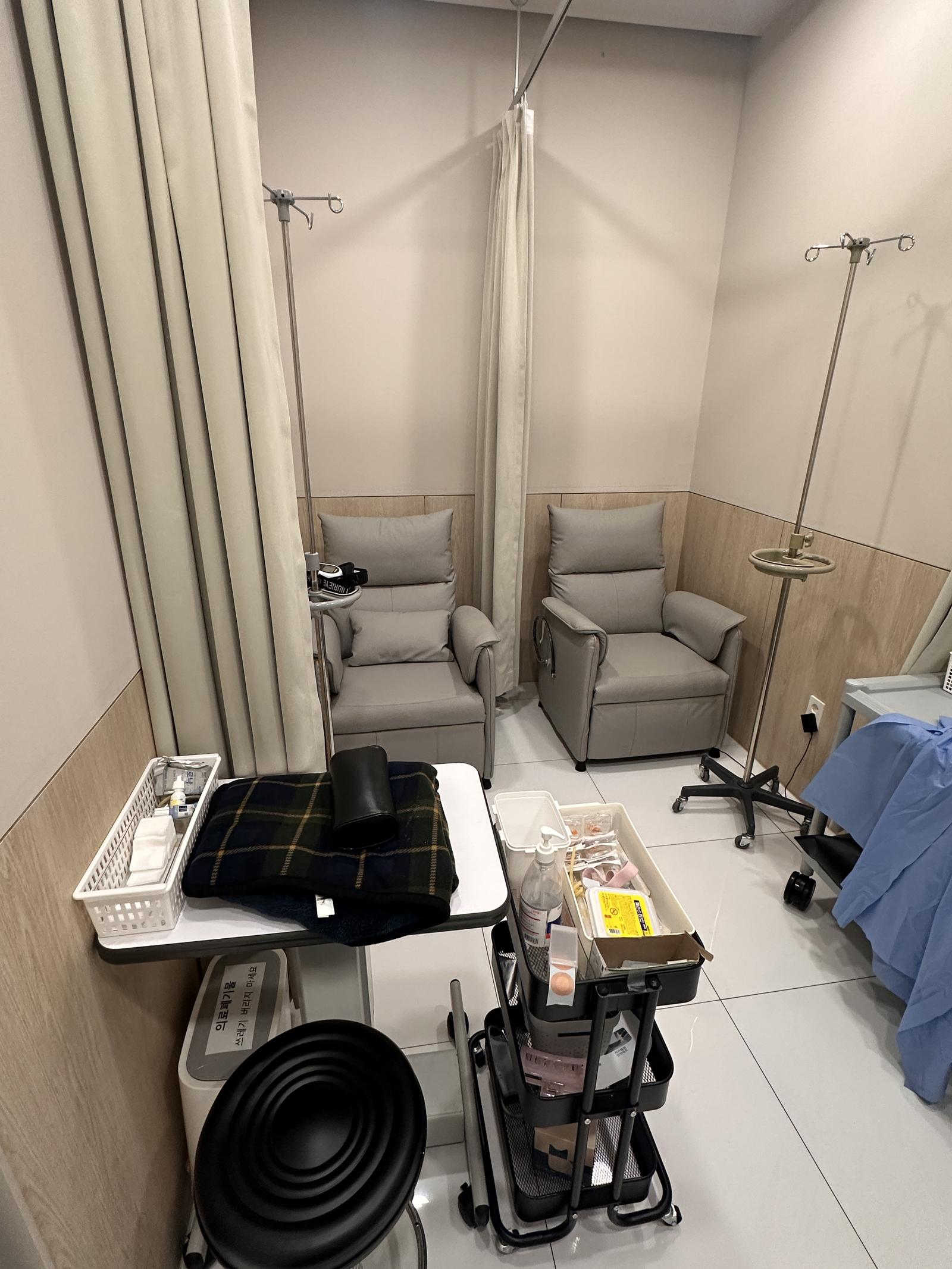
Trying to set up a Korea cataract consultation booking appointment for a parent around one school break, and afraid the days will run out before anyone knows whether it's even a cataract?
Read this before you pick your dates.
You'll know what the appointment includes, who it suits, which methods come up, what decides the cost and what reviews get right. Then you can tell whether this trip fits your family's time and budget.
Hello, I'm Dr. Lee Ki-il, Medical Director and ophthalmologist at OLIM Eye Clinic in Gangnam.
Exam and care stay on floors 2–5 of one building, and I review your results and explain them in person. We have the IOL Master 700 for lens power and OPTOS for wide-field retinal imaging. You can also come just to ask whether surgery is needed.
I wrote this because families often treat this appointment as a surgery date, when its job is to find out what's causing the blur.
It's a detailed eye exam followed by a talk with the ophthalmologist about the results. It begins with a WhatsApp message, and it suits anyone whose vision has clouded gradually and who wants the cause named before deciding.
To start, send a photo of your parent's latest eye report on WhatsApp with the dates you have open, and ask which day leaves room for both the exam and the results talk.
Your numbers decide itSend a photo of your prescription or eye exam report. The doctor reviews it.
Korea cataract consultation booking appointment: how it runs
There are four steps on our side, in this order:
- Inquiry. Message us on WhatsApp at +82 10-2269-7929, or use the consultation request on our location page.
- Scheduling. We set a date for the exam and consultation.
- Detailed exam. The eyes are examined at the Eye Exam Center.
- Consultation. You go through the results with the ophthalmologist before any decision on treatment.
The schedule catches people out more than the steps do. Registration for exams and surgery closes two hours before closing, so the last practical arrival is earlier than the door hours suggest. I see patients on all five open days.
| Day | Open | Last registration for an exam |
|---|---|---|
| Mon, Tue, Thu | 10:00–19:00 | 17:00 |
| Fri | 10:00–19:30 | 17:30 |
| Sat | 09:00–15:00 | 13:00 |
| Wed, Sun | Closed | None |
Lunch is 13:00–14:00 on open days. An evening arrival at Incheon on Tuesday leaves you with a closed clinic on Wednesday, so a Thursday appointment is the earliest one that works.
What can one appointment settle?
Usually the cause of the blur, and whether surgery is worth discussing. The name on the referral matters less than you might expect, because presbyopia and cataract have different causes, and dry eye or retinal disease can feel similar from the inside.
The National Eye Institute lists cloudy vision, faded colors, trouble at night and glare among cataract symptoms. Several of those overlap with other conditions, which is why each question has its own device here:
- Is the retina involved? The OPTOS DAYTONA images out to the peripheral retina, and the TOPCON 3D OCT-1 shows cross-sections of the retina and optic nerve.
- Is it the tear film? The OCULUS Keratograph 5M images the meibomian glands and measures tear break-up time.
- If it is a cataract, what lens power? The IOL Master 700 calculates it without touching the eye.
- Is pressure a concern? The TOPCON CT-800 measures it without contact.
The question I care about most is simpler: what can't your parent do now that they could do two years ago? A cloudy lens that doesn't interfere with daily life may not need surgery yet, and I don't recommend surgery an eye doesn't need.
Who is this appointment for?
In short, it fits these situations:
- Vision has been clouding gradually, with glare from headlights or colors looking washed out
- A doctor at home has diagnosed cataract and you want to talk through lens choices
- Someone in their 40s–50s has blurry near vision and wants to know whether it's presbyopia, since presbyopia surgery is possible at that age even without cataract
If you're the younger one in the family and the exam question is really nearsightedness, our post on choosing among SMILE, LASIK and LASEK is the one to read.
A trip is the wrong plan for sudden vision loss, eye pain, flashes of light or a curtain across the view. Those need urgent eye care where you are, today.
Say you have nine days in Seoul over a school break
Your mother is 66, avoids driving at night and has never had a detailed exam. I would put the exam early in those nine days, so there's time to absorb the results and ask a second round of questions.
Plan on being with her that day, and keep the afternoon open.
Then comes the harder part. If the exam shows cataracts in both eyes, surgery is usually done one eye at a time, with a gap for the first to heal. Both are reasonable outcomes for a first visit, and the second one costs you nothing in rushed decisions.
Before you settle the itinerary, list your parent's current medications and any conditions such as diabetes or glaucoma. Send that list on WhatsApp and ask whether anything on it should be raised before the exam date.
Your numbers decide itSend a photo of your prescription or eye exam report. The doctor reviews it.
Which methods might come up after the exam?
The surgical question comes first. Our cataract setup pairs the VICTUS femtosecond laser with the ALCON CENTURION ultrasound system, through a small incision and without stitches. Which steps suit an eye is something to go over with the results in hand.
The lens is usually the longer discussion. The American Academy of Ophthalmology's guide to lens implants describes the main types:
- Monofocal: sharp at one distance, with glasses for the rest
- Multifocal or extended-depth: a wider range of vision, with a higher chance of halos and glare at night
- Toric: built to correct astigmatism
For someone who drives at night often, the halo trade-off deserves real weight. For someone with retinal disease, I would be more cautious about multifocal designs.
Risks and side effects to know
In the first days, scratchiness, redness, light sensitivity and blurry vision are common, and they usually ease over days to weeks. Full healing commonly takes several weeks, and it varies from person to person.
Less common problems include infection, bleeding, inflammation, swelling at the back of the eye and retinal detachment. The natural capsule behind the lens implant can also cloud months or years later, which is usually treated with a laser. Your risk is higher with some existing eye or health conditions, and the MedlinePlus overview covers general surgical risks.
General reasons to postpone or rethink surgery include an active eye infection, poorly controlled diabetes or blood pressure, or other eye disease that would limit the benefit. Blood thinners and prostate medications should always be mentioned beforehand.
After flying home, increasing pain, a sudden drop in vision, flashes or a curtain across the view need same-day eye care. The CDC's medical tourism guidance suggests arranging follow-up care at home before you leave and keeping copies of your records.
What do reviews get right about cataract consultations?
A comprehensive exam here runs to about 60 tests, though which ones your parent needs is a separate matter from that total.
Three common claims need correcting. "Wait until the cataract is ripe" is outdated, since the usual reason for surgery today is that vision is interfering with life. "A premium lens means no more glasses" overstates it, because many people still use glasses for some tasks. "If you book a consultation, they'll operate" doesn't match how we work: we examine first and recommend only what's needed.
What decides the cost of a cataract visit in Korea?
The main factors are:
- The range of tests needed for the exam
- The lens type, and whether it corrects astigmatism
- One eye or both, and any laser step
- Days in Seoul, including the gap between eyes
- Follow-up visits and drops
For a figure, ask on WhatsApp what the exam and consultation would cost for your parent, then ask about surgery separately if the results point that way.
The first message can be short. One photo of an eye report or a current glasses prescription is enough, you can ask before booking anything, and one question is plenty, such as whether Thursday or Friday suits your trip better. When you arrive in Gangnam, I'll examine your parent's eyes, explain the results in person and recommend what fits them.
Frequently asked questions
How far ahead should we schedule?
If you have a preferred date, book ahead on WhatsApp rather than arriving and hoping for a slot. Allow for the registration cutoffs and the Wednesday and Sunday closures when you choose your flights.
Can we come only for an opinion, with no surgery planned?
Yes. The clinic examines the eyes first and recommends only the surgery that's needed, so a visit that ends with a diagnosis and no operation is perfectly acceptable.
Which days does Dr. Lee see patients?
Monday, Tuesday, Thursday, Friday and Saturday. The clinic is closed on Wednesdays and Sundays.
Will my parent be able to read after the exam?
If dilating drops are used, near vision is commonly blurry for a few hours. Bring sunglasses, keep the rest of that day light and plan to help with paperwork or phone screens.
What should we bring on the day?
Bring current glasses, any contact lenses in use, earlier eye reports, a medication list and details of conditions such as diabetes. If your parent uses eye drops, bring those as well or take a photo of the labels.
Sources
- Cataracts · National Eye Institute (NEI)
- Cataract Surgery · National Eye Institute (NIH)
- IOL Implants: Lens Replacement After Cataracts · American Academy of Ophthalmology
- Cataract removal · MedlinePlus, U.S. National Library of Medicine
- Medical Tourism · U.S. Centers for Disease Control and Prevention
Written with AI assistance from OLIM Eye Clinic Gangnam's published information and the medical sources listed below. This article is general medical information and does not replace a diagnosis. Whether and how to operate is decided after an in-person exam.